If you are dealing with a drip that will not stop, a patch that keeps failing, or storm damage after a rough night, it is natural to ask a bigger question: what roofing materials actually last in British weather?
At Roofer and Builder, we work across Liverpool and Merseyside, with coverage that can extend into Wirral, Lancashire and Cheshire. We consistently observe similar patterns: persistent rain, strong winds, coastal exposure, moss growth, blocked gutters, and a significant number of older housing structures such as Victorian terraces, loft conversions, and flat roof extensions.
This guide starts with simple concepts and then moves on to practical applications. You will learn which materials tend to last longest in the UK, why they fail, and how to choose what makes sense for your property.
Understanding the UK Climate and Its Impact on Roofs
Roofs in the Liverpool area face a unique set of challenges. The mix of sea air, heavy rain, and strong winds from the Mersey can speed up wear, especially on older homes and sheds or additions with flat roofs.
Common issues include:
- Moss grows due to constant dampness.
- High winds can cause tiles to slip.
- Split felt or water ponding on flat roofs.
- Blocked gutters are causing trapped moisture.
That’s why materials tested for durability, weather resistance, and low maintenance are crucial for any property in Merseyside, Wirral, Lancashire, or Cheshire.
Key Factors to Consider When Choosing Roofing Materials
Before selecting a roofing type, consider:
- Durability: How well does it handle constant rain, frost, and sunlight?
- Maintenance: Some materials need regular care to prevent leaks and moss buildup.
- Weight: Older houses may not support very heavy materials without reinforcement.
- Cost vs. Longevity: A cheaper material may need replacing sooner.
- Local style: In Liverpool and nearby towns, slate and clay tiles suit the character of period homes, while modern flat roofs benefit from advanced roof compounds or coatings.
Top Roofing Materials for UK Properties
Here’s a look at the most common roofing materials used across Merseyside and how they perform.
1. Natural Slate
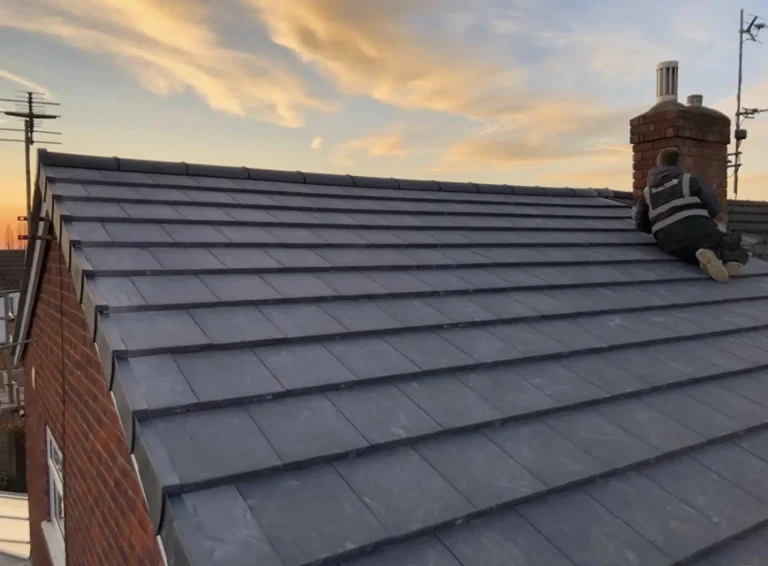
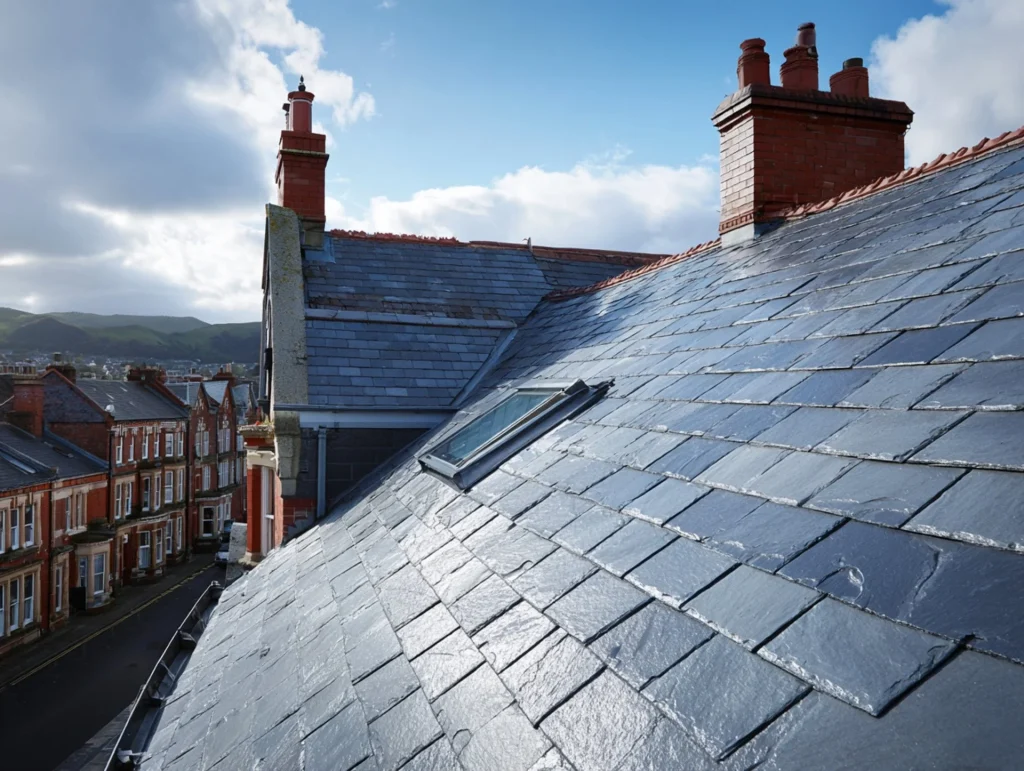
Slate is a traditional choice for Liverpool’s terraced and historic houses. It’s waterproof, non-combustible, and may survive for more than a century with proper maintenance. Its solidity protects against frost and algae, making it perfect for coastal rain and wind exposure.
2. Clay Roof Tiles
Clay tiles are aesthetically pleasing and resistant to fading and freezing. They usually last 60–80 years and are widely used for detached houses and heritage roofing projects.
3. Concrete Roof Tiles
Concrete tiles are less expensive than clay and have a high level of durability. Expect a lifespan of 50–60 years, though the moss can grow faster in shaded regions.
4. Flat Roof Systems (Felt, EPDM, GRP)
Flat roofs are popular on garages, dormers, and expansions throughout Merseyside. Modern materials, such as EPDM rubber and GRP fibreglass, exceed traditional felt systems. When combined with a high-quality roof coating or waterproof solution, these roofs can survive for 25–40 years with little maintenance.
5. Metal and Galvanised Roof Options
A galvanised roof is a popular choice for sheds, additions, and commercial buildings. It resists corrosion and adapts well to changing temperatures, but the insulation underneath is essential for minimising moisture.
6. Roof Cladding Systems
Roofing covering gives modern homes and businesses clean lines and excellent weather protection. Metal, composite, and fibre cement boards are all options, and they are all made to withstand high winds and water.
Comparative Lifespan of Different Roofing Materials
| Material | Typical Lifespan (Years) | Maintenance Level | Weather Resistance |
| Natural Slate | 80–120 | Low | Excellent |
| Clay Tiles | 60–80 | Moderate | Very good |
| Concrete Tiles | 50–60 | Moderate | Good |
| EPDM / GRP Flat Roof | 25–40 | Low | Very good |
| Felt Flat Roof | 15–25 | High | Fair |
| Metal / Galvanised Roof | 40–60 | Low | Excellent |
How to Choose the Right Material for Your Home and Location
For Liverpool and Merseyside homeowners, the right material depends on property type and exposure:
- Victorian terraces or heritage buildings: Slate or clay tiles preserve traditional appearance while offering high durability.
- Modern homes or extensions: Flat roofing with EPDM or GRP performs best when maintained and coated correctly.
- Coastal or high-exposure areas: Galvanised roofs or composite cladding protect against corrosion and uplift from storms.
At Roofer and Builder, our team often performs emergency roof repairs. Our team serves customers throughout Merseyside, assisting them in stabilising leaks and determining whether a targeted repair or replacement is the more prudent long-term solution.
Sustainability and Environmental Impact
Nowadays, sustainability affects a lot of roofing choices. Ceramic and slate are natural materials that last a long time, while metal roofs can be recycled over and over again. When EPDM systems are properly maintained, they last longer and require fewer repairs over time, helping cut down on waste. Longer-lasting materials not only save money but also help protect landfills by reducing the need for regular refills.
Cost Versus Longevity – Finding the Right Balance
The cheapest option can become expensive if it needs repeated patching. Equally, the most premium material can disappoint if it is installed poorly.
A practical balance looks like this:
- Pick a material suited to your roof pitch and exposure.
- Invest in the details that stop leaks: (ridges, verges, flashings, edges, outlets).
- budget for simple maintenance, so small problems do not become recurring call-outs.
If you are comparing quotes, ask what is included for drainage, edges, and junctions, not just the “main covering”.
Professional Advice and Maintenance Tips
If you are dealing with active water ingress, prioritise safety and make it weathertight.
What a professional emergency response should look like:
- Make safe: Identify the entry point, protect interiors, and reduce risk from loose materials.
- Temporary cover: Use a suitable short-term weatherproofing method where needed.
- Targeted repair: Fix the real defect, not just the symptom.
- Follow-up inspection: Check surrounding areas for secondary issues, especially after storms.
Common failure points we regularly repair include:
- Slipped or cracked tiles and slates
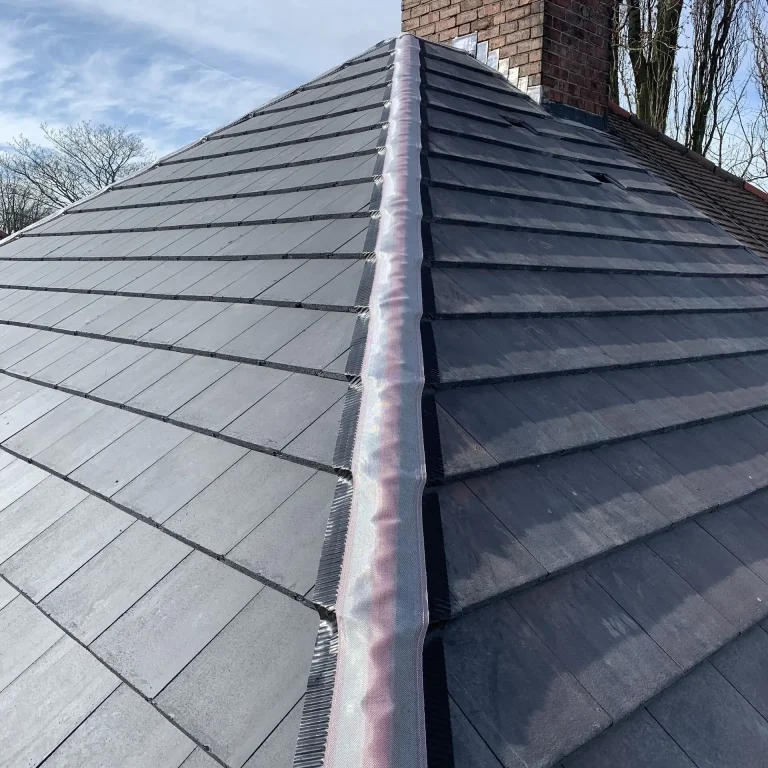
- Damaged ridge pointing and loose ridge tiles
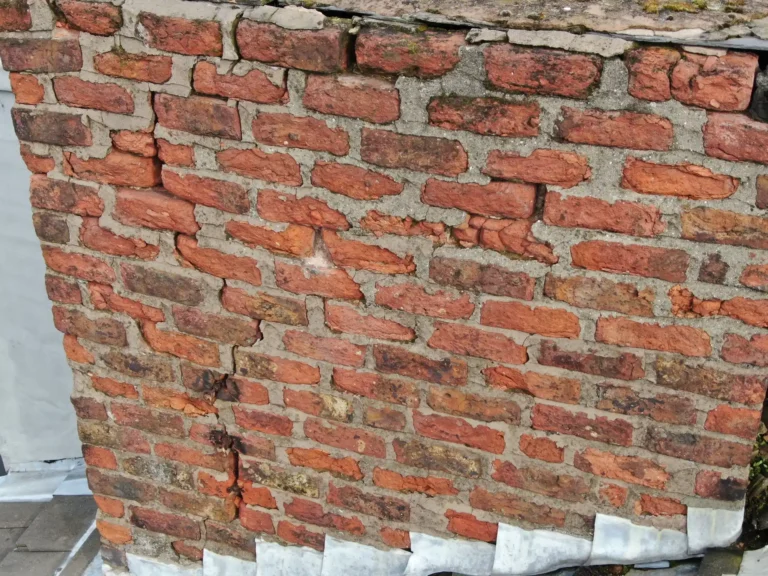
- Leadwork and flashing issues around chimneys and abutments
- Failed seams on flat roofs and splits at edges
- Ponding water can occur due to blocked outlets or poor drainage falls. falls
If you have a persistent leak, a proper roof leak repair Liverpool inspection should also include gutters, downpipes, and signs of trapped moisture.
Where coatings fit in:
In some cases, a roof coating or roof compound can help protect the surface or extend its life, but it can’t fix problems like movement deeper in the roof, failed seams, or leaky flashings. Paints and coats are tools for us, not quick fixes.
Simple maintenance that genuinely helps:
- Clear gutters and outlets regularly, especially after storms
- Remove moss build-up carefully (avoid damaging tile surfaces).
- Book inspections after high winds, or if you spot staining in the loft.
- Do not ignore small drips; they often point to a fixable detail.
We keep our approach clear and tidy: explain what we can see, show you the options, and focus on repairs that make the roof dependable again.
Making the Right Choice for Your Roof
Finding the perfect roofing material for the UK environment involves balancing looks, strength, durability, and affordability. Slate lasts longer than anything else, while clay and concrete tiles combine heritage and value. Modern flat roof systems made of EPDM or GRP are quite watertight and don’t need much maintenance.
At Roofer and Builder, we use our local knowledge and trusted work to help homeowners in Liverpool, Merseyside, and the surrounding areas keep their houses safe from leaks, storms, and long-term deterioration.