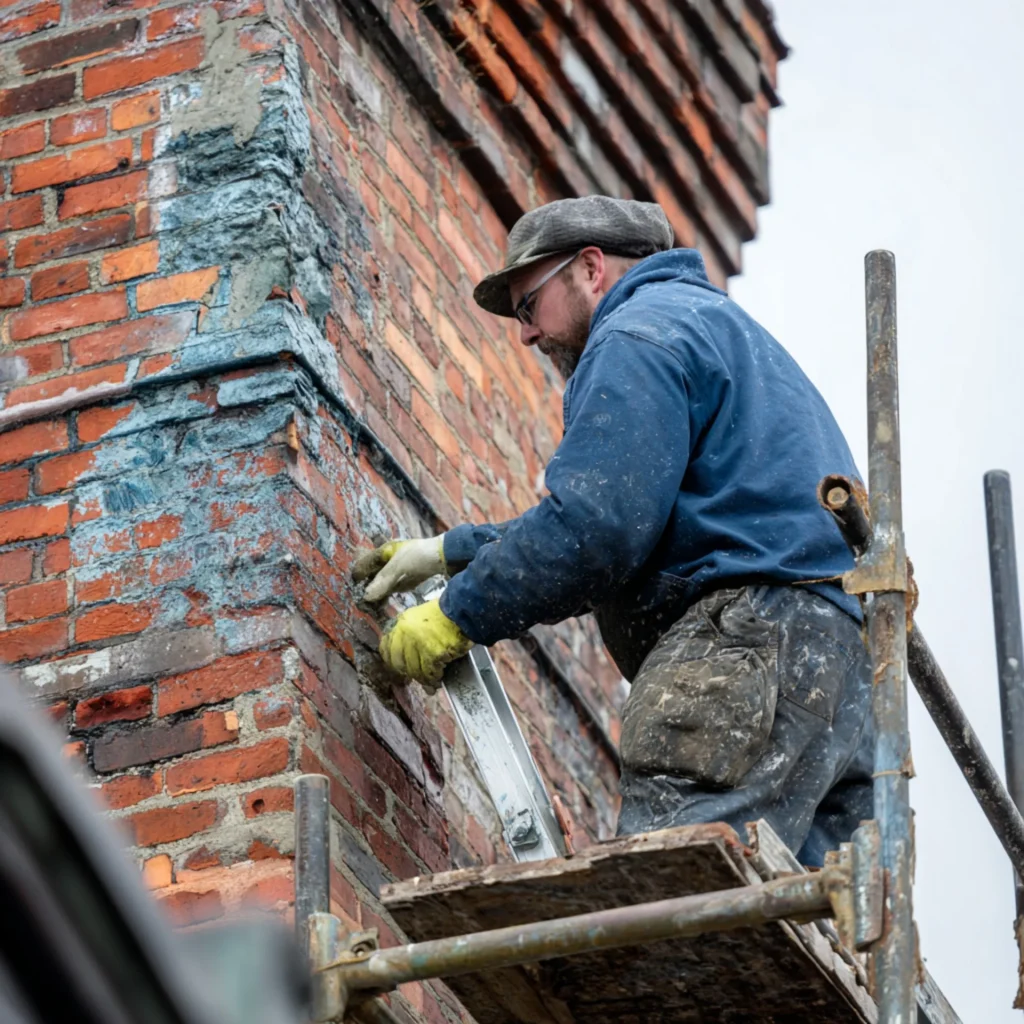
Chimney repairs are a crucial yet often overlooked part of managing commercial properties in the UK. While they may not always appear high on a maintenance checklist, neglecting them can lead to serious issues with building safety, energy efficiency and even legal compliance.
This guide outlines what UK property managers and building owners need to know in 2025 about maintaining and repairing chimneys in commercial settings.
Why Chimney Repairs Matter for Commercial Premises
There are more uses for a chimney in a commercial building than just looking nice. It is very important for the building’s airflow, getting rid of heat, and even its structural stability. A good chimney system makes sure that dangerous fumes are safely sucked out of places like hotels, stores, and factories that use combustion appliances.
Neglecting chimney upkeep can lead to:
- Poor air quality and carbon monoxide risk
- Heat loss, leading to higher energy bills
- Structural issues caused by water ingress or frost damage
- Legal implications if safety standards are breached
The Building Regulations in England (Part J) cover flue maintenance and appliance ventilation. Failure to comply not only poses health risks but could also invalidate insurance policies or lead to penalties.
Signs Your Commercial Chimney Needs Immediate Repair
Not all problems with the chimney are clear at first glance. Some may stay hidden for months until greater damage that costs more shows up. Property managers can stop problems before they get worse if they know what to look for.
Here are some clear indicators that chimney repairs may be necessary:
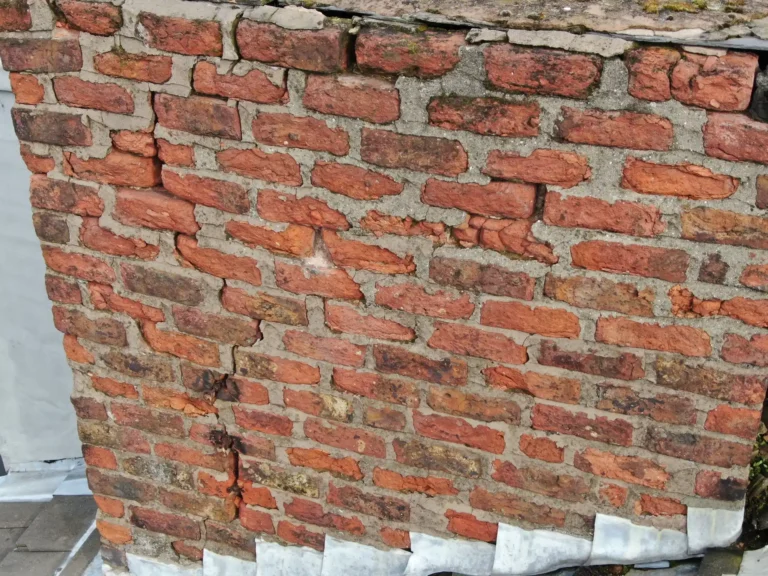
- Visible brickwork damage: cracked or spalling masonry is a sign that moisture has breached the structure, weakening the chimney stack.
- Water stains or damp patches indoors: Leaks around the chimney breast or ceiling may indicate flashing or crown failure.
- Strong odours or smoke backflow: Poor ventilation or blockages in flues can cause gases to re-enter the building.
- Loose or missing chimney pots or cowls: These are essential components for effective draught control and weather resistance.
- Excess soot or debris: Build-up inside the flue suggests inefficient burning or lack of maintenance.
Addressing these difficulties at an early stage can save money in the long run. Roofers and builders, for example, commonly face examples where overlooked minor flaws develop into structural safety concerns that affect tenant health and insurance compliance.
Inspection and Maintenance Standards in 2025
As time goes on, the rules and standards for building compliance change. In 2025, business property owners need to pay extra attention to the rules for fire risk assessments and Energy Performance Certificates (EPCs).
A qualified expert checks your chimney once a year or every other year to detect any damage or inefficiency before winter:
- Structural integrity checks
- Flue liner assessments
- Ventilation flow testing
- Smoke test results
- Moisture ingress identification
Experts also recommend keeping digital records of inspections and repairs, particularly for buildings under landlord or tenant agreements.
Common Repair Techniques Used in Commercial Settings
Once issues are identified, the scale and method of repair will depend on the severity and nature of the problem. Here are common chimney repair solutions used in commercial properties today:
- Repointing: Renewing the mortar between bricks to restore stability
- Lead flashing repair or replacement: Ensures a weatherproof seal between the chimney and roof.
- Liner replacement: Vital in systems where the chimney supports boilers or fireplaces
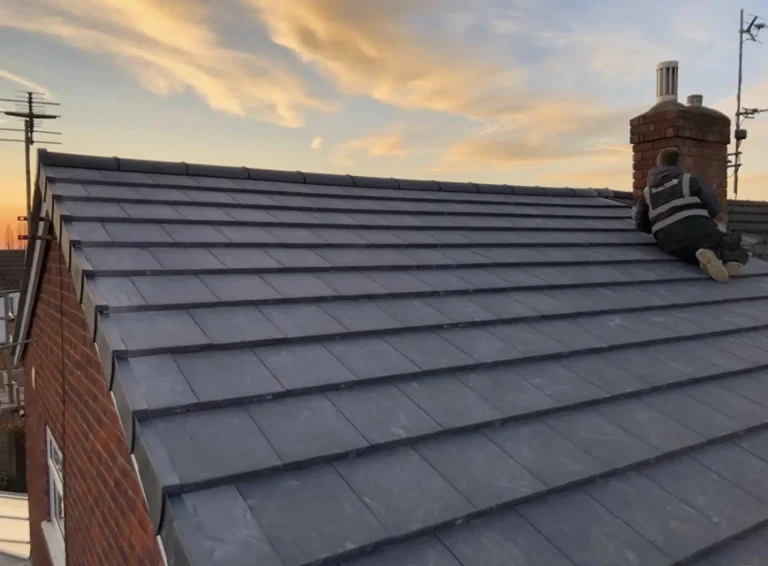
- Reconstruction or rebuilding: Sometimes sections of the chimney stack must be removed and rebuilt, particularly when structural failure is advanced.
- Capping or fitting bird guards: Prevents blockages and nesting in unused chimneys.
Contractors often favour modern materials like stainless steel and composite liners in 2025 for their durability and heat resistance.
Legal and Safety Obligations for Commercial Property Owners
Cleaning and maintaining chimneys isn’t just good building practice; in many cases, it’s the law. The Health and Safety at Work Act and the Regulatory Reform (Fire Safety) Order require business owners and renters to ensure the building’s systems, such as heating and ventilation, are safe and working.
Failure to repair a dangerous chimney could lead to:
- Prosecution in the event of an incident
- Insurance claim denial
- Tenant disputes or compensation claims
- Property devaluation
Roofer and Builder emphasise that even small commercial sites, such as shops or offices, are not exempt from these requirements. If your property has any heating appliance that relies on a flue, you must properly maintain the associated chimney.
Preventative Maintenance and Best Practices
Preventative care is the best defence against costly repairs. Here are a few tips to keep your chimney repairs commercial in good condition throughout 2025 and beyond:
- Schedule regular inspections by a qualified engineer or roofing specialist.
- Use only approved fuels in your appliances.
- Install a rain cap or chimney cowl if one is not already present.
- Record any maintenance and store reports for compliance checks.
- Check adjacent roofing and gutter systems for signs of water damage.
Before You Go: A Quick Recap
Property owners should not delay maintaining commercial chimneys. Proactive property upkeep will benefit owners short- and long-term as 2025 brings more sustainable, safety-focused requirements.
Understanding chimney systems, recognising damage early, and choosing experienced specialists will assist in preventing interruption and maintaining compliance.
Making chimney maintenance part of regular facility checks is smart, whether you run a multi-stored office complex or a heritage-listed public property.
Responsibility in building management helps you prevent major repairs, stay ahead of rules, and safeguard tenants.