
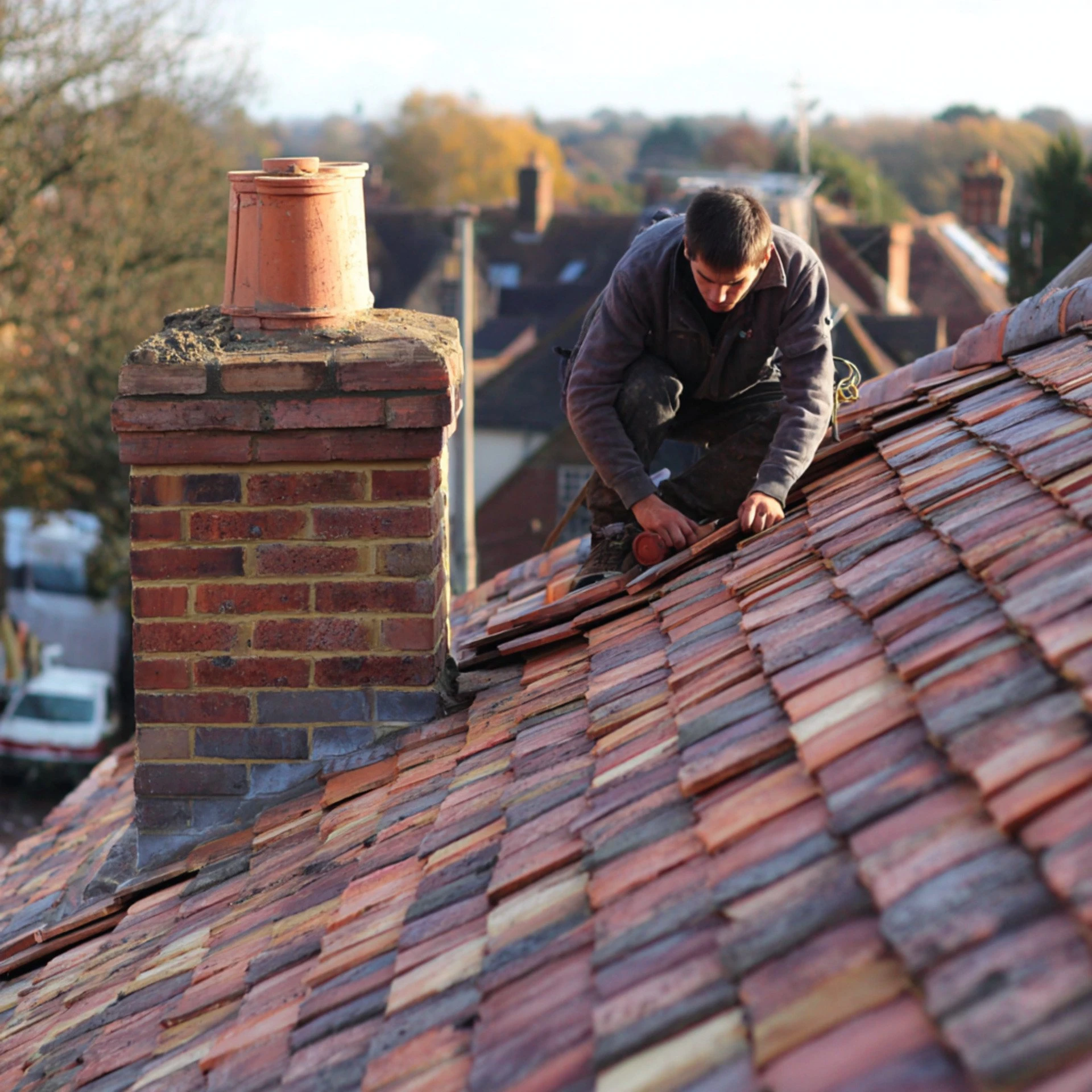
Top UK Roofing Trends You Need to Know in 2026
Roofing in the UK is evolving rapidly thanks to changes in technology, environmental standards, and consumer expectations. As homeowners and commercial property owners continue to prioritise both function and style, the latest roofing innovations are setting new benchmarks for durability, sustainability, and energy performance. This guide highlights the top trends shaping the roofing industry in 2026 and what property owners and contractors need to keep ahead.
Roofing Innovations Shaping UK homes in 2026
Across the UK, homeowners and landlords increasingly ask for three things from a new roof: lower running costs, greater resilience to storms, and a smaller environmental impact. Installers respond with better insulation, smarter drainage and coverings that last longer while cutting energy use.
At the same time, manufacturers keep developing new products that look more attractive than older systems, so you do not have to choose between performance and kerb appeal. This section highlights the main directions that are likely to shape projects in 2026.
Sustainable Roofing Takes the Lead
Sustainability is now expected, not a buzzword. More UK homes want eco-friendly materials and energy efficiency. Green roofs and solar-integrated systems are popular because they save money and benefit local biodiversity.
Vegetated living roofs are popular in cities. They reduce stormwater runoff and air pollution and increase insulation. Recycling resources like salvaged slate and plastic-waste composite tiles reduces landfill waste. Offering sustainable options is increasingly mandatory for roofing contractors.
Smart Roofing Systems
Technology has moved into every aspect of construction, including roofing. Smart roofing solutions let owners monitor and manage roof issues in real time. Embedded sensors detect leaks, temperature fluctuations, and structural pressure, preventing costly damage.
Integrating control panels with energy management systems provides solar efficiency and moisture data for larger complexes. City net-zero goals are also driving demand for smart tiles that integrate with solar systems. These technologies optimise energy consumption and enhance roof lifespan through predictive maintenance.
Solar Integration Becomes Standard
Homeowners are noticing that modern solar roofing provides excellent insulation and can reduce heating costs significantly. This makes it an appealing investment, both short-term and long-term.
High energy prices and lower costs for solar technology mean more households want a roof that works as an energy system, not just a weather barrier. Installers now fit in roof solar panels and solar tiles that sit flush with surrounding coverings rather than looking like an add-on frame.
If you expect to add solar in the next few years, it makes sense to discuss this at the design stage. A good contractor can:
- Allow for extra structural load where needed.
- Position roof windows and vents to leave clear solar zones.
- Specify cables and conduits so the future electrician does not have to disturb the coverings.
Firms such as Roofer and Builder increasingly see clients asking for roofs that are solar-ready, even if the panels are fitted later.
Flat Roof Revival in Modern Architecture
Flat roofs used to have a poor reputation in the UK, largely due to older felt systems that aged badly. Modern warm roof build-ups with rigid insulation, better membranes and improved detailing now offer much longer service lives.
Homeowners increasingly see a flat area as a chance to create usable space rather than just a lid on the building. Depending on planning rules and structural checks, you might use a refurbished flat roof as:
- A terrace with decking on pedestals.
- A small green space with low-maintenance planting.
- A platform for solar panels combined with a blue or green system.
Yet, maintenance remains essential for ensuring structural integrity. According to professionals at Roofer and Builder, well-designed flat roofs paired with regular inspections can last just as long as pitched roofs, if not longer.
Cool Roofing for Climate Control
UK summers are getting hotter, making cool roofing solutions more important. These devices reflect sunlight and reduce heat absorption. The result is better indoor comfort and lower energy use without air conditioning.
New and renovated buildings benefit from cool roofs. Property owners prioritising efficiency and comfort use light-coloured coatings and high-albedo membranes.
Durable and Low-Maintenance Materials
In 2026, property owners are putting a lot of stress on both design and durability. Synthetic slate, polymer coatings, and lightweight metals are all new technologies that offer long-lasting security against the unpredictable UK weather. Not only do these materials not rust, but they also need much less care, which lowers the cost of ongoing maintenance.
New metal choices, especially those made of zinc and aluminium, are likely to stay popular because they can be recycled and can be used in a variety of styles. Also, improvements in coatings make them more resistant to mould and UV damage, which are problems that often happen with older roofs.
Enhanced Roof Insulation
Energy efficiency underpins UK construction requirements. Increased roof insulation lowers heating expenditures and boosts thermal comfort.
Vacuum insulation panels (VIPs) and spray-applied foam systems retain heat without adding weight. Together with increased ventilation, these technologies help new and existing properties fulfil modern efficiency requirements.
Installers now design roofing with insulation in mind. This change ensures a holistic approach to building energy conservation.
Design Diversity and Colour Trends
Roof design in 2026 is practical and attractive. Homes are increasingly using roofing to create architectural statements. Trendy tones like deep grey, terracotta, and matte black contrast with lighter facades.
Texture variation matters too. Composite shingles and patterned slats add visual interest without sacrificing performance. These trends favour personalised and expressive roof designs above standardisation.
Focus on Roof Longevity
Maintenance trends show that long-term value is now a key factor in roofing decisions. Property owners are scheduling more frequent inspections and choosing repair over replacement where possible. Preventive care, such as roof coatings and smart monitoring, helps maximise the life of existing structures.
Contractors recommend semi-annual checks, especially before winter, to prevent water or ice damage. Tools and drones now make these assessments faster, safer, and more accurate.
The Future of UK Roofing
The UK roofing industry is navigating a future built on sustainability, technology, and design flexibility. From solar integration to renewable materials, the leading trends all point to smarter and greener solutions. For tradespeople, designers, and homeowners alike, 2026 represents a turning point where environmental goals and aesthetic ambitions meet at the roofline.
Contractors who invest in newer materials, training, and smart systems will likely lead the market. For consumers, the focus is clear: efficient, future-ready roofs that safeguard buildings while supporting broader environmental goals.