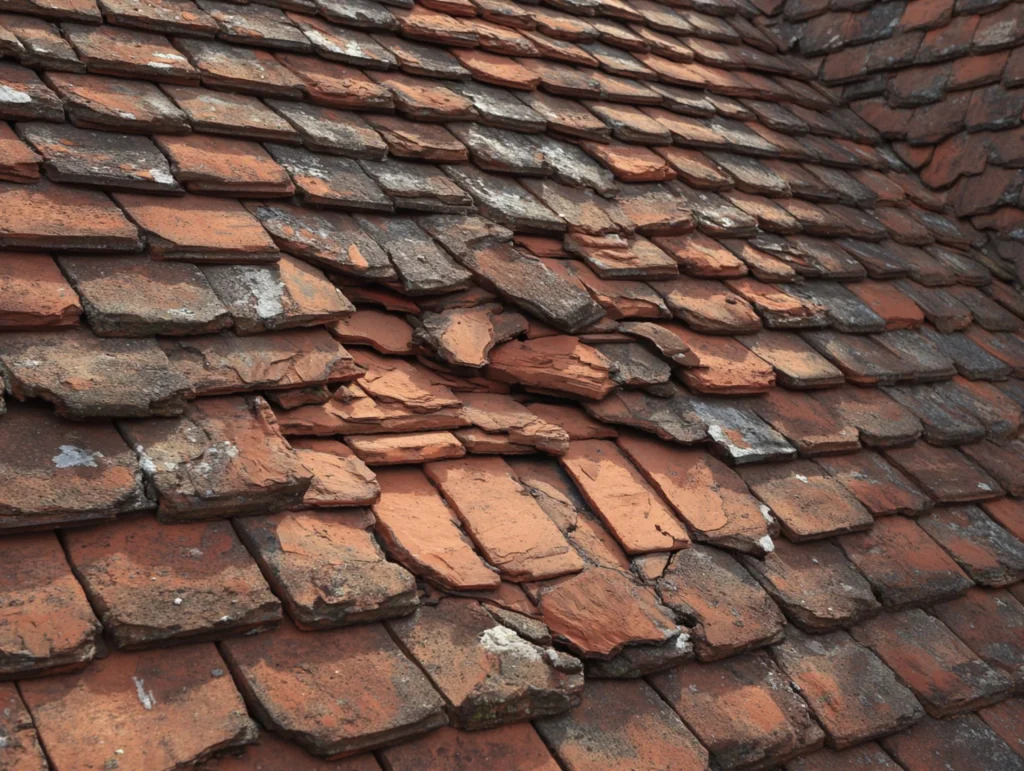
A few slipped or cracked roof tiles might not look serious at first, but in the Liverpool area, where high winds, coastal rain, and older roofing can all take their toll, minor problems can soon lead to leaks and water damage.
At Roofer and Builder, we often see the same issues return simply because the original cause wasn’t fully understood or fixed. This guide explains why tiles slip or crack, how to spot early warning signs, and what practical steps reduce repeat issues after storms or poor past repairs.
Understanding What Causes Roof Tiles to Slip or Crack
Common reasons roof tiles slip over time:
Tiles rarely move “for no reason.”. Most slipping happens when the parts underneath are no longer holding them securely.
- Nail fatigue or corrosion: Older nails can rust, bend, or loosen with constant wind movement and temperature changes.
- Failed fixings after storms: High winds can lift tiles slightly, then they settle back out of line. After a few cycles, they slip.
- Batten deterioration: Battens are the horizontal timber strips to which tiles are fixed. If they soften from moisture or age, fixings lose grip.
- Past patch repairs: A quick slipped tile repair may look fine, but if the fixing method is wrong, the same tiles can slide again.
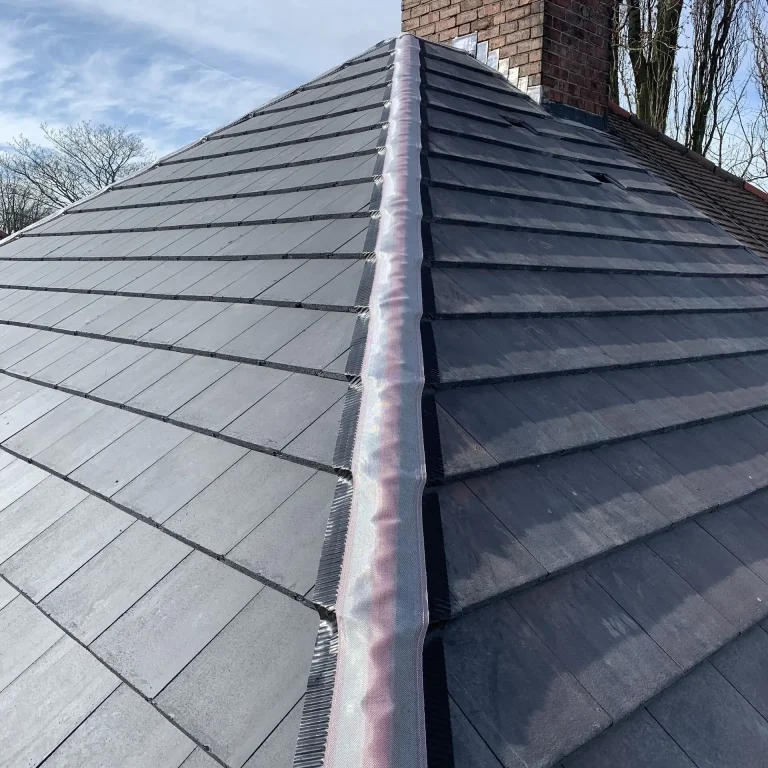
- Ridge and verge issues: If the edges of the roof are failing, nearby tiles are more likely to shift. This often shows up alongside a ridge tile repair need.
If you are seeing repeat movement on the same roof slope, it is usually a sign that the problem is underneath the tile, not the tile itself.
Factors That Cause Tiles To Crack Or Break
Cracks are often caused by stress, impact, or poor support.
- Foot traffic: Walking on a tiled roof can crack tiles if weight is placed in the wrong spot.
- Freeze-thaw cycles: Water gets into tiny imperfections, freezes, expands, and worsens cracks over time.
- Impact damage: Wind-blown debris, ladders placed badly, or even a dislodged ridge tile can break tiles below.
- Incorrect tile type for the roof: A tile that is too heavy or not suited to the roof pitch can be more prone to cracking.
The Impact Of Weather And Natural Wear
Liverpool and Merseyside weather puts roofs through a lot: wind-driven rain, sudden gusts, and salty air closer to the coast. Over time, this can lead to:
- Hairline cracks are becoming leaks.
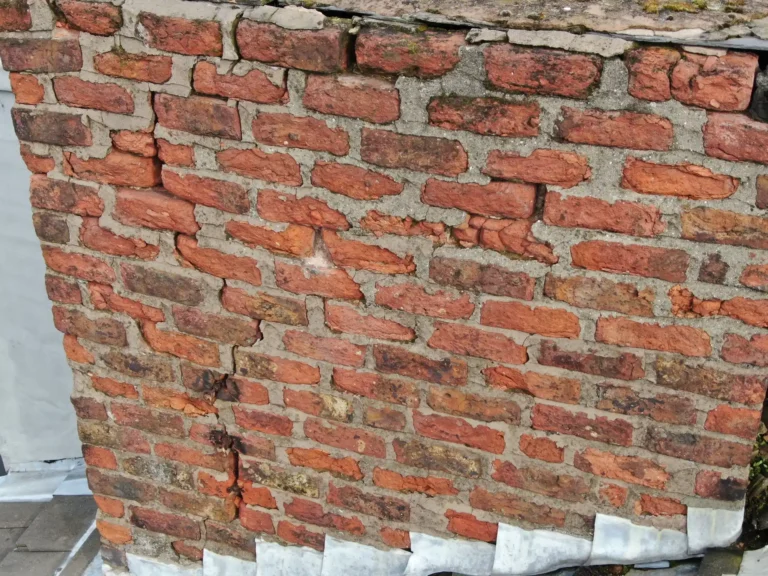
- Loose mortar at ridges or verges.
- Eroded pointing around flashings.
- Moss holding moisture against tiles and fixings.
Older Victorian terraces, loft conversions, and mixed roof layouts can also create tricky junctions where water finds a route in.
Signs That Indicate Your Roof Tiles Are At Risk
Look out for these early warning signs, especially after a storm:
- Tiles that look out of line or sit higher than the surrounding tiles
- Small fragments of tile in the gutter or on paths
- Damp patches on ceilings or around chimney breasts
- Drips or staining in the loft after heavy rain
- Moss build-up and overflowing gutters, which can force water back under tiles
- A ridgeline that looks uneven or mortar that is cracking and crumbling
If you have active water ingress, you may need roof leak repair in Liverpool support quickly to prevent damage from reading.
The Role of Installation and Materials in Roof Tile Durability
How improper installation leads to sliding or dislodging
Repeated tile movement is often linked to how the roof was originally fixed or repaired.
- Not enough fixings for the exposure level (windier areas need more secure fixing methods).
- Incorrect fixing position, which reduces holding strength.
- Poor detailing at edges, such as verges, ridges, and roof junctions.
- Underlay issues, where water gets through and weakens battens and nails over time.
If the roof has been “patched” multiple times, it is worth checking whether the supporting materials are still doing their job.
Importance of using the correct roof fixings and adhesives
Fixings are not one-size-fits-all. The right choice depends on tile type, roof pitch, exposure, and roof age.
A professional repair will usually involve:
- Replacing corroded nails or clips where required.
- Securing tiles to the correct standard for the site conditions.
- Checking nearby tiles so a single slipped tile does not become a chain reaction.
This is one of the reasons tile roof repairs Liverpool often needs more than just “putting the tiles back”.
Choosing the right type of tile for your climate and roof pitch
A tile that works well on one roof may not be ideal on another. Roof pitch, wind exposure, and the roof’s overall condition all matter. If you are replacing sections, matching the existing tile is important, but so is making sure the roof system is suitable for Merseyside conditions.
How to Prevent Roof Tiles from Slipping Again
Routine maintenance and inspections
Prevention usually comes down to catching small faults early.
- Check the roofline from ground level after storms.
- Keep an eye on ridges, verges, and chimney flashings.
- Look for changes over time, not just obvious breaks
For landlords and small business owners, a simple planned check can reduce surprise call-outs and downtime.
Cleaning and moss removal best practices
Moss is common in Liverpool, especially on shaded roof slopes. It holds moisture, blocks drainage paths, and can contribute to tile movement.
Best practice is:
- Clear gutters and downpipes first.
- Remove moss carefully without damaging tile surfaces.
- Avoid aggressive pressure washing, which can strip protective surfaces and disturb tiles.
- Consider gentle preventative treatments where appropriate.
Securing loose tiles before they become a bigger issue
If you spot one loose tile, nearby tiles may be close behind. A targeted repair should include checking:
- Surrounding fixings.
- Batten and underlay condition in the immediate area.
- Edges and junctions where wind lift is strongest.
When the weather is turning, a prompt tile repair can stop water from getting into the roof structure.
Professional vs DIY maintenance – when to call an expert
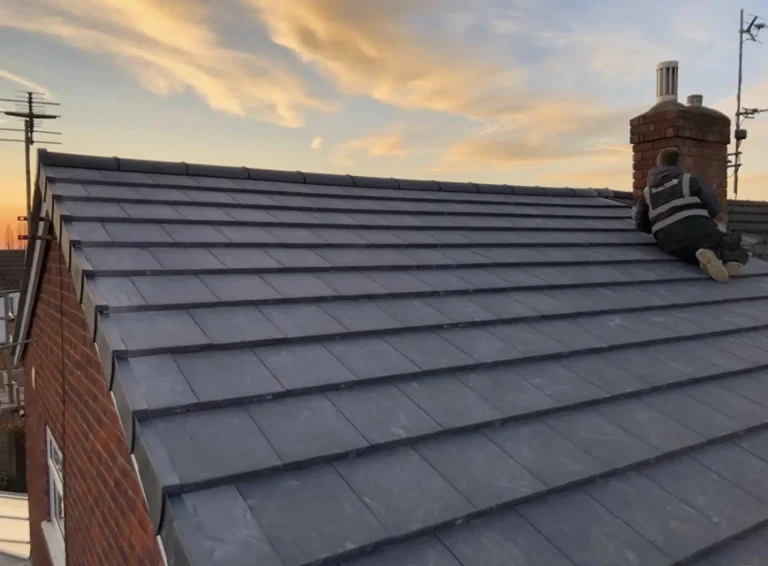
Simple checks from the ground are sensible. Going onto the roof is where risk increases, both for personal safety and for tile damage.
Call a roofer if:
- Tiles are visibly displaced.
- You suspect a leak.
- The ridgeline is failing.
- Storm damage has affected more than a couple of tiles.
If you need urgent help, At Roofer and Builder we can advise you as an emergency roofer in Liverpool and arrange emergency roof repairs across Merseyside to make the area safe and weathertight.
Preventing Cracks and Prolonging the Life of Roof Tiles
Factors that weaken tiles over time
Tiles can weaken gradually due to:
- Long-term moisture and moss
- Freeze-thaw exposure
- Movement in the roof structure
- Poor ventilation is causing heat and moisture build-up in the loft.
Even small shifts in the roofing or timbers can place uneven stress on tiles.
Protective coatings and treatments
Some roofs benefit from careful, appropriate treatments, but they are not a cure-all. Any coating or treatment should only be considered after the roof is confirmed sound and dry. If moisture is trapped beneath a coating, it can worsen problems.
Improving roof ventilation and insulation to reduce stress
Ventilation is simple in principle: it helps moist air escape so the roof timbers and fixings stay drier. Poor ventilation can contribute to condensation in loft spaces, which can affect battens, underlay and fixings over time.
If a roof has been converted into a loft room, or insulation has been upgraded, it is worth checking whether ventilation paths were kept clear.
How can seasonal checks help prevent cracking?
A quick check in autumn and after winter storms often prevents bigger repairs later. It is especially useful for homes with:
- Older tiled roofs
- Chimneys and complex junctions
- Flat roof extensions, where water can back up at the transition
What to Do If You Notice Repeated Roof Tile Issues
Assessing underlying structural problems
If the same area keeps failing, the cause may be hidden. A proper inspection looks beyond the broken tile, including:
- Batten condition
- Underlay condition
- Fixing the type and corrosion
- Flashings and leadwork around chimneys and abutments
- Signs of water tracking from higher up the slope
Sometimes the issue is linked to nearby flat roof details, too. For example, a failed junction or flashing can mimic tile failure. We regularly handle flat roof junction faults alongside flat roof repair work in Liverpool, including problems with older felt systems that may need felt roof repair.
When replacement is better than repair
Repair is often the right choice when the surrounding roof is sound. Replacement becomes more sensible when:
- Tiles are reaching the end of life across a wide area.
- Battens or underlay are deteriorating extensively.
- Multiple leaks or repeated call-outs are happening.
- Ridges, verges, and junctions are failing together.
In those cases, a staged plan can be less disruptive than ongoing patching.
How regular maintenance plans save costs long-term
Regular checks help prevent hidden rot, insulation damage, and internal repairs. They also reduce the likelihood of emergencies after storms.
If you do end up with storm damage, a professional response should look like this:
- Make safe and temporary weather protection first
- Targeted repair once conditions allow
- Follow-up inspection to confirm no hidden defects remain
We approach urgent work in a calm, structured way, with clear communication and tidy working, so you know what is happening and why.
The Importance Of Proactive Roof Care
Most slipping and cracking comes down to small failures that build up: worn fixings, damp battens, poor detailing, or maintenance being put off until severe weather hits. A few practical checks and timely repairs can protect your property and reduce repeat issues.
If you have a leak or storm damage, describe what you can see, and we will suggest the safest route to make it weather-tight.