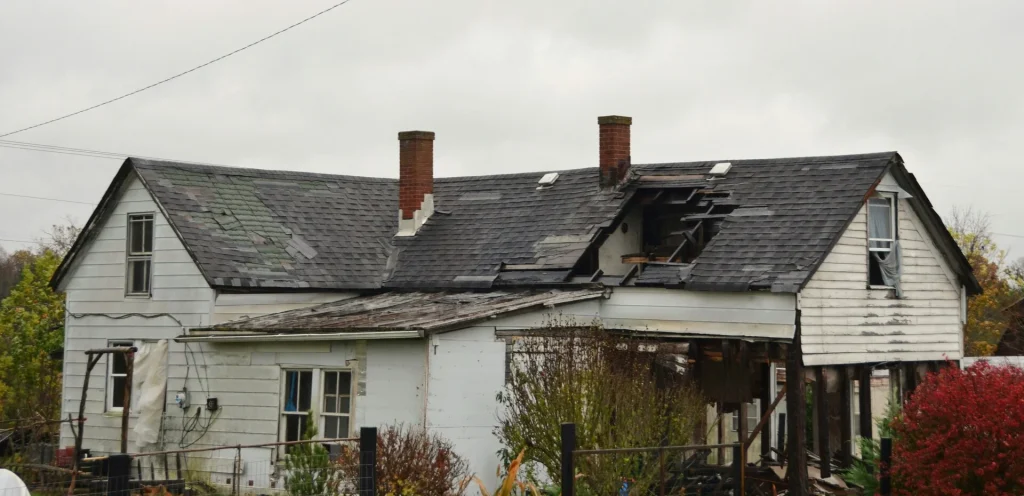
Cold weather puts every roof under pressure. In the United Kingdom, repeated cycles of wind, rain, frost, and snow quickly expose any weakness in slate tiles or flat coverings. When a sudden leak appears, many people act hastily, and small problems soon escalate into expensive repairs. This guide examines the most common emergency roofing mistakes made during winter and provides practical advice on maintaining a safe and secure home.
Understanding the Winter Roofing Challenges in the UK
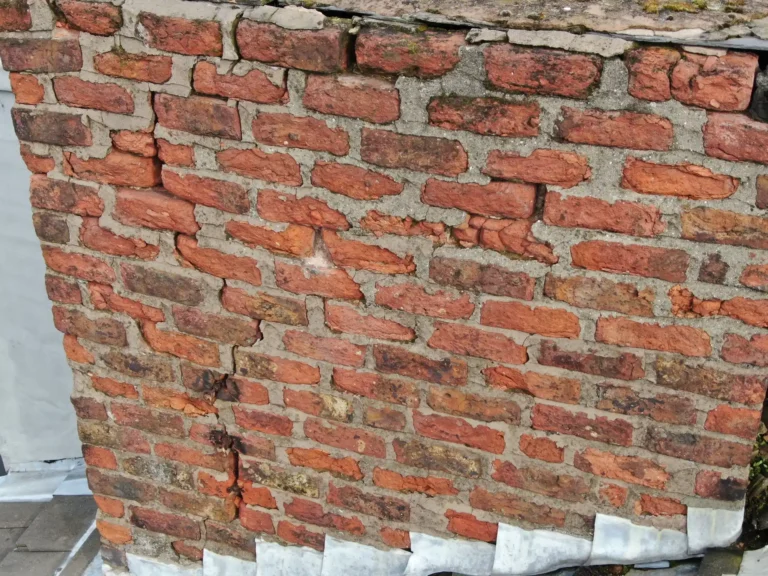
Roofs are always exposed to the weather, and in the winter, this openness is even worse. The cycle of freezing and warming can make tiles weak and crack, and sealants wear down, which can lead to leaks. When heavy rain falls on roofs that are already weak, it adds to the stress on the building and often shows problems that weren’t seen during warmer months.
How Weather Conditions Test Roof Durability
Wet air can get in through small holes or flashing that isn’t attached properly, leaving behind damp insulation and water stains on the roof. Frost and snow may not seem dangerous, but they can lift tiles over time by pushing water under them. When you install and maintain your roof properly, it serves as your first line of defence, but if you do not prepare, small problems can quickly grow worse.
Common Emergency Roofing Mistakes Homeowners Should Avoid
Many UK homeowners only notice their roof condition when water starts dripping indoors. Understanding and avoiding common missteps can prevent such emergencies from occurring.
Ignoring Minor Roof Leaks and Missing Tiles
Many people overlook little leaks or missing tiles after a storm. Minor damage is generally put off until spring, resulting in damp insulation and mould. Wood and ceiling plaster degrade quickly when water spreads within. Early intervention prevents costly repairs.
Misjudging the Role of Roof Insulation and Ventilation
Another common mistake is ignoring roof insulation and ventilation. Poor ventilation retains warm, moist air in the loft, causing condensation. Moisture slowly penetrates the timber framework, causing decay and energy loss. Balanced ventilation prevents ice jams by evenly releasing heated air. A well-insulated roof reduces heat loss and keeps internal temperatures acceptable.
DIY Repairs Without Proper Safety or Skill
DIY repairs are appealing to homeowners looking to save money. Patchwork repairs can worsen damage or injure people without the correct tools, materials, and safety gear. On chilly mornings, roofing tiles and guttering can be damaged by little slips. It’s safer to use specialists who know safe work techniques and weatherproof materials.
Proactive Steps to Avoid Emergency Roof Repairs
Preventive maintenance proves far more cost-effective than reactive repairs. A few proactive measures before winter sets in can protect your roof from unnecessary damage.
The Importance of Professional Inspections Before Winter
Expert roof inspectors can identify weak places before severe weather in late autumn. Their inspections include cracked tiles, loose flashing, blocked gutters, and poor sealants. Early maintenance keeps your roof watertight during severe rain or snow. Photo documentation of your roof’s condition during these inspections may help with insurance claims.
Choosing Reliable Roofing Specialists
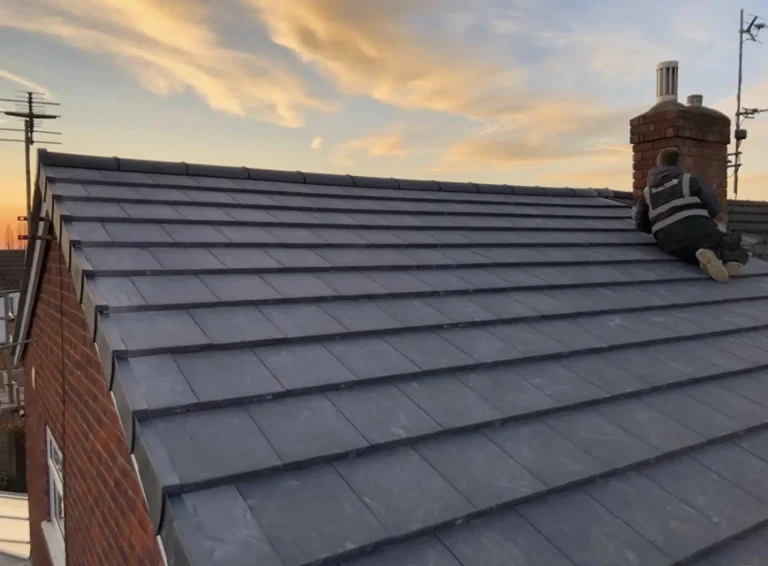
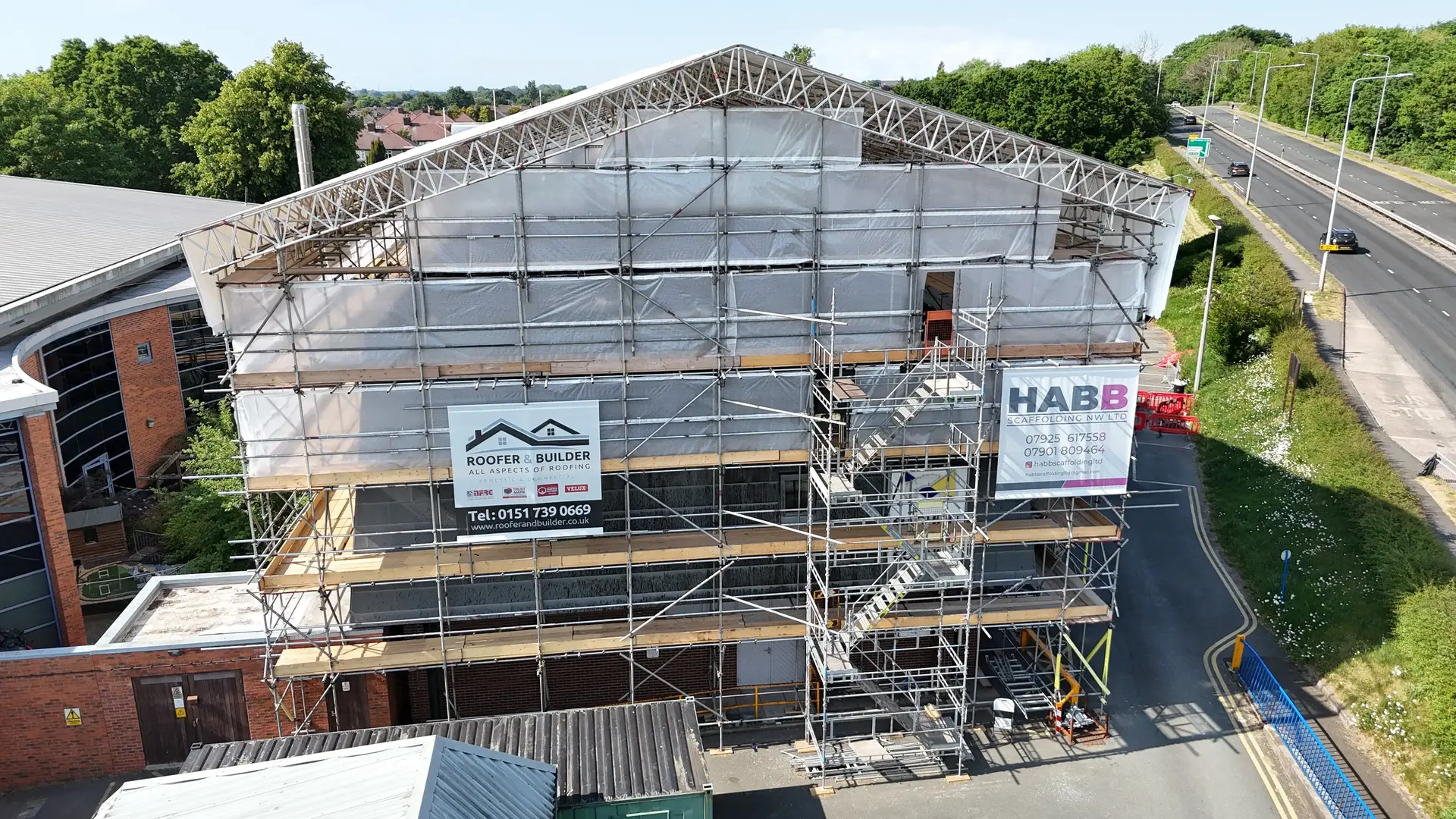
When you need repairs or replacements, choose a reputable company like Roofer and Builder. They use quality materials that withstand UK weather and install durable systems that improve performance and extend your roof’s life, without pushing unnecessary extras. Reliable contractors also give homeowners clear estimates of how much the work will cost, so they can make an informed choice before deciding to do any work. If you choose a company with a history of success, you can rest easy during the winter.
How Regular Maintenance Reduces Long-Term Costs
Roofs need regular maintenance to stay strong. A yearly maintenance checklist should include gutter cleaning, branch pruning, and attic moisture testing. A roof can last longer with simple preventive measures like moss removal and flashing replacement. However, neglecting maintenance typically results in emergency calls that cost several times more than scheduled maintenance.
Cleaning and maintenance boost energy efficiency. Correct insulation and ventilation improve heating system efficiency, lowering energy expenses. This balance protects your home and budget over time.
The Role of Roof Materials in Winter Performance
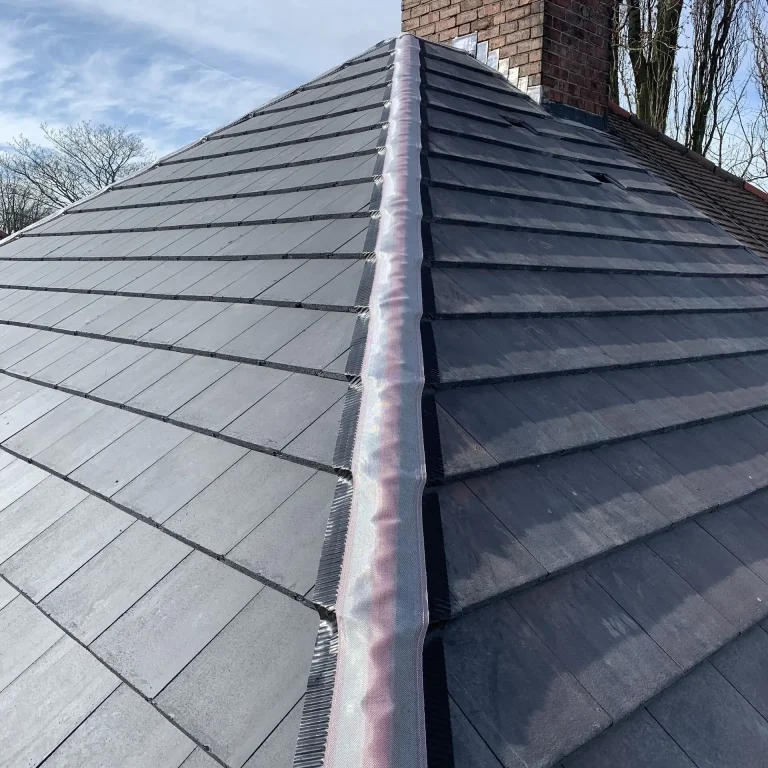
Different materials respond differently to cold weather. Slate and clay tiles, for instance, remain popular choices in the UK because they handle moisture well and last for decades when properly installed. Bitumen felt, often used in flat roofs, can harden in freezing temperatures, making routine inspections even more essential. Metal roofing, while durable, can also be prone to condensation if not insulated correctly. Understanding the strengths and weaknesses of your chosen material helps plan long-term maintenance strategies.
When to Seek Emergency Assistance
Roof problems can happen to even the most diligent homeowners. If a leak emerges during heavy rain, cover it with a waterproof tarp from inside and call a reliable roofing firm. Avoid roof climbing in inclement weather. Take photos of the damage for insurance claims. Fast action can stop the problem from worsening.
Managing Winter Roofing Emergencies
Winter weather puts roofs under strain, but many of the worst outcomes are avoidable. By understanding the main mistakes people make and taking a calm, informed approach, you can protect both your home and your budget. Focus on regular maintenance, safe behaviour and careful choice of contractor, and you will be better prepared when the next storm rolls in.