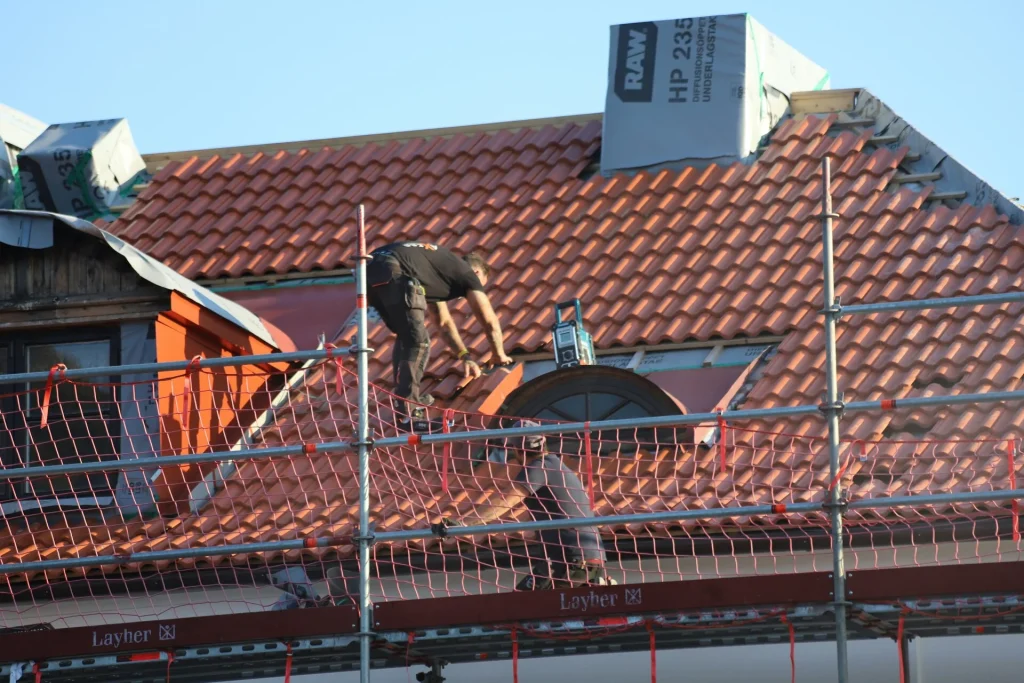
The UK’s weather patterns have always been unpredictable, but recent years have shown a clear shift. Winters are becoming wetter, storms are more intense, and cold snaps are increasingly erratic. This change affects more than just our daily comfort; it poses a growing challenge for homeowners and property managers who face a rise in roof-related emergencies every winter.
Experts across the building and roofing industry are pointing to climate change as a major factor behind this increase. Understanding how it affects roofs helps property owners prepare and minimise potential damage during extreme weather.
Understanding the Link Between Climate Change and Roof Damage
Over the past decade, UK winter storms have become increasingly common and violent. Rapid rains, greater gusts, and varying temperatures affect roofing materials. When the weather changes rapidly, roof tiles, flashing, and guttering wear out faster.
The Met Office reports more winter rainfall due to altered jet streams and warmer water temperatures throughout the British Isles. The outcome is prolonged heavy rain that soaks roofs. Continuous moisture causes water penetration, timber deterioration, and insulation damage.
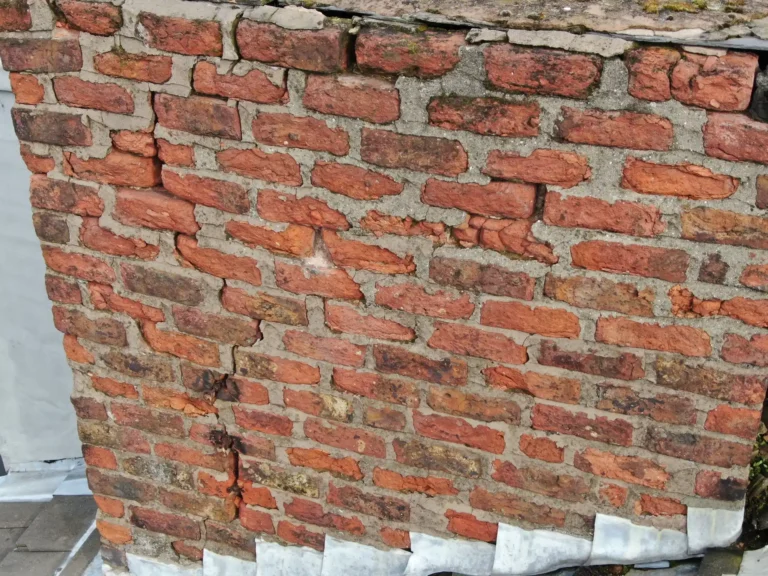
Roofers in Liverpool, Manchester, and Glasgow report nearly doubling winter repair requests over the past decade. After large storms, homeowners find leaks, missing tiles, and broken ridges. Climate change causes greater storms, straining even new roofs.
How Extreme Weather Conditions Impact Roofing
Each element of extreme winter weather plays a different role in damaging roofs:
- Heavy rain causes surface pooling and accelerates the deterioration of waterproof layers. Flat roofs and low-pitched designs are particularly vulnerable.
- High winds loosen ridge tiles and dislodge slats. Debris can cause secondary damage by striking roof surfaces.
- Snow and ice add excessive weight to roofs and create cracks as they freeze and thaw repeatedly.
- Temperature swings expand and contract materials, widening small gaps where water can seep in.
These conditions, once considered rare, are now routine during UK winters. Poor maintenance and older materials amplify these risks, which is why preventive action has become essential.
Why Roof Maintenance Matters More Than Ever
Preventive roof care is now required for homeowners and landlords. Regular inspections before and after winter can reveal vulnerabilities and avoid water penetration and structural damage.
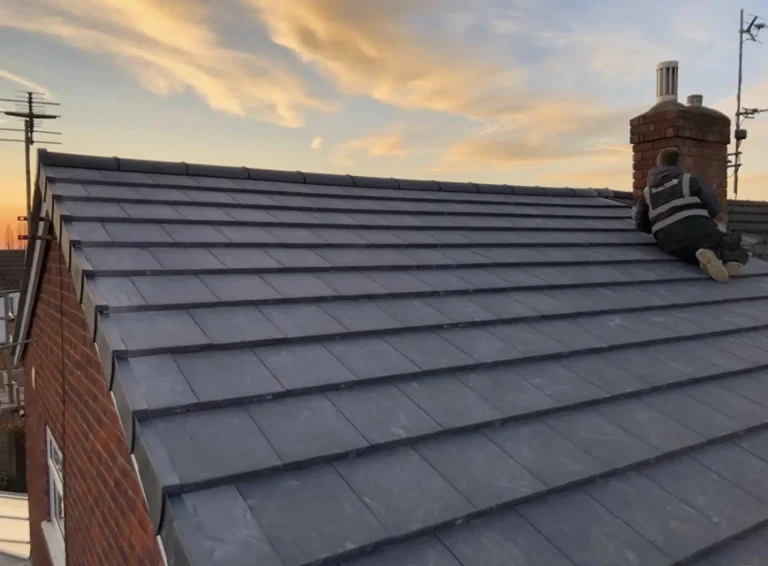
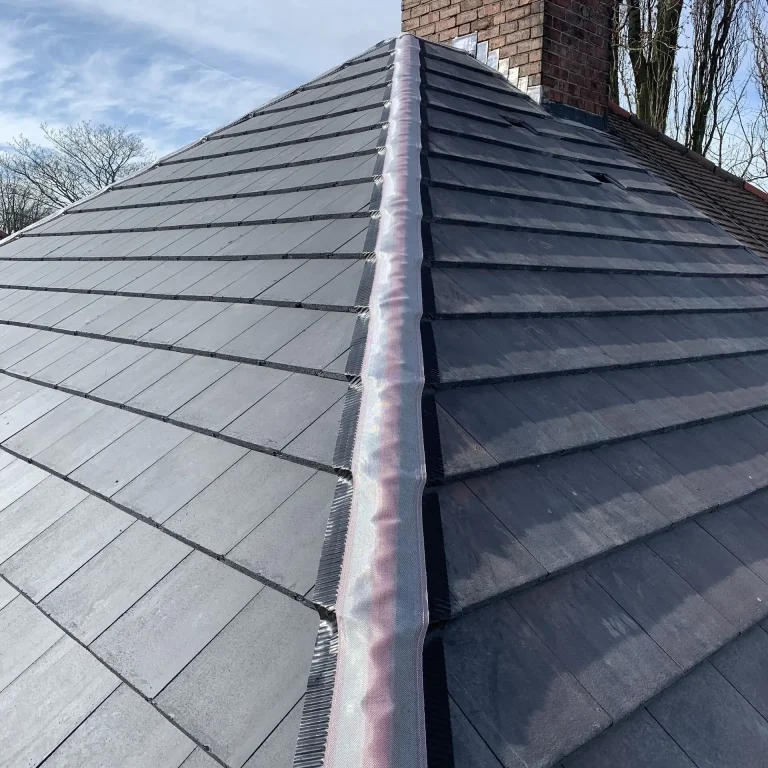
Roofer and Builder advocate autumn checks to fix small issues before cold, wet weather. Ridge mortar checks, tile replacement and gutter cleaning can prevent damage.
A well-maintained roof avoids costly repairs from neglect. Regular maintenance is one of the most cost-effective resilience methods as climate-related roof emergencies rise each year.
The Role of Sustainable Roofing Materials
The construction industry is embracing more sustainable materials that respond better to changing weather conditions. Modern roofing systems use solutions such as composite tiles, recycled metal sheets, and advanced underlays designed for high moisture resistance.
These materials not only have longer lifespans but also offer improved insulation, helping reduce heat loss during cold spells. Using sustainable products aligns with broader national goals to reduce carbon emissions and adapt homes to a changing climate.
Choosing the right material for local weather conditions can make a big difference. For instance, homes in the north of England often benefit from stronger slats and corrosion-resistant metal fittings, while southern regions may rely on lightweight composite solutions to manage heavy rainfall and milder temperatures.
How Builders and Roofers Are Adapting
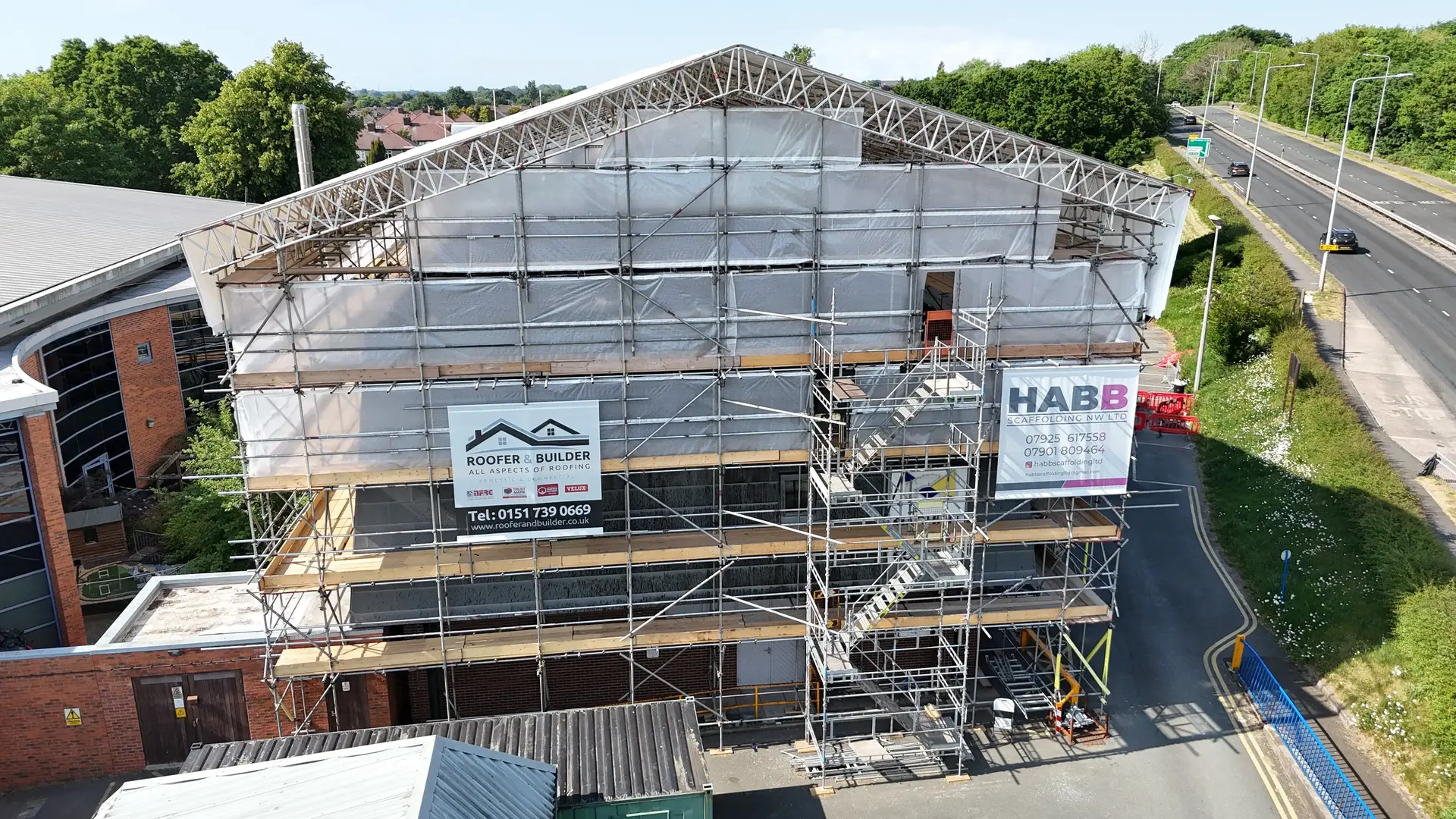
Roofing specialists are modifying their methods to improve durability and performance. Drones are used to swiftly and safely assess roofs following storms. This technique finds hidden weak points.
Roofer and Builder additionally improve ventilation and drainage to reduce moisture buildup. New insulation lets roofs withstand fast temperature swings without splitting or leaking. These advances are essential for climate resiliency.
Roofer training now covers energy efficiency, water management, and sustainable installation. This ensures every project fulfils modern environmental standards and is weatherproof.
Practical Steps Homeowners Can Take to Prevent Roof Emergencies
There are several simple yet effective actions homeowners can take to reduce winter roof risks:
- Inspect after storms. Check for missing tiles, sagging gutters, or debris accumulation after each heavy weather event.
- Keep gutters clear. Blocked drainage systems cause rainwater to pool and eventually seep through ceilings.
- Trim overhanging branches. Strong winds can break branches that damage roof surfaces or clog gutters.
- Check loft insulation. Poor insulation allows heat to escape, creating ice dams that lead to water leaks.
- Hire professional roof emergencies expert. Annual inspections from certified tradespeople detect early warning signs and ensure safety.
Each of these measures reduces the likelihood of sudden roof failures during harsh winters. When combined with better materials and maintenance planning, they provide an affordable way to protect homes from worsening climate conditions.
The Long-Term Outlook for UK Roof Security
Changing weather patterns are bringing more intense rain and wind to UK communities, and that means our homes are facing new pressures. By understanding how these conditions affect the structures above us and by taking practical steps throughout the year, householders can cut the risk of serious damage. Regular inspections, sensible maintenance and clear emergency plans all help to keep families safe, dry and warm whatever the next winter brings.