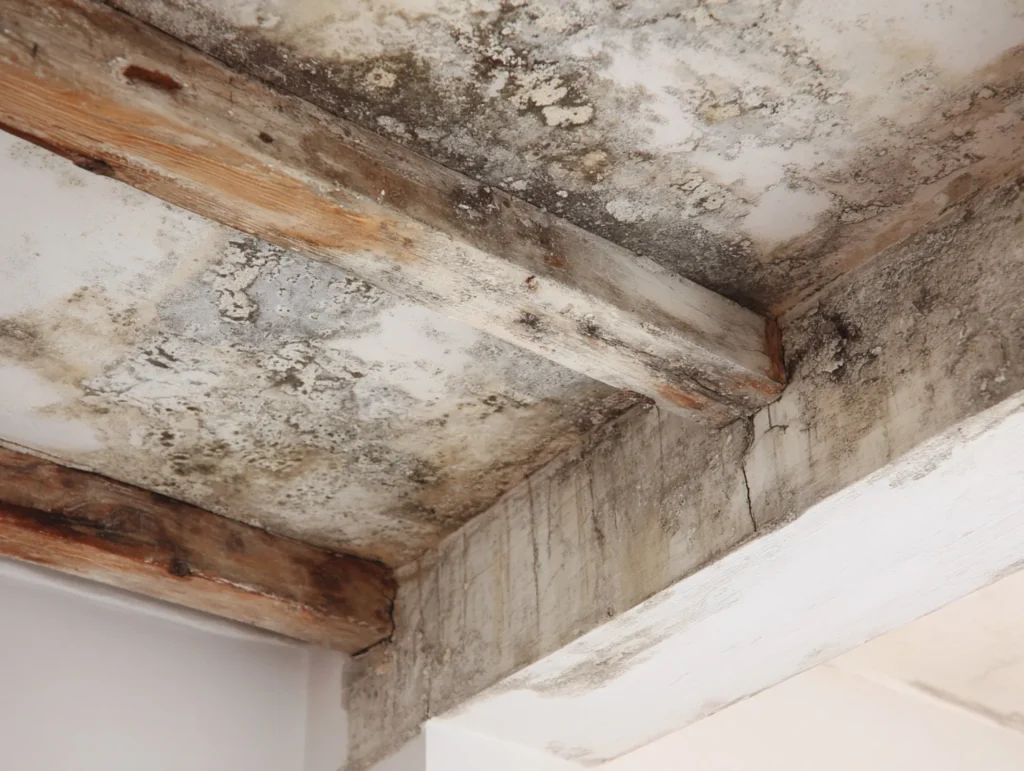
If you are dealing with damp patches, a musty smell, or ceiling mould, it is easy to assume the problem is a leaking roof. Sometimes it is. But in homes across Liverpool and the wider Merseyside region, damp and mould can also be driven by poor roof ventilation, especially in older housing stock like Victorian terraces, properties with loft conversions, and homes with flat roof extensions or garages.
Roof ventilation is simply how your loft space (and sometimes your roof build-up) lets moist air escape and fresh air circulate. When that airflow is blocked or missing, condensation builds up, timbers stay wet, insulation loses performance, and mould growth can take hold.
Roofer and Builder often get calls for emergency roofer Liverpool help because of a leak, but the real problem is that there is too much wetness and not enough airflow. This guide tells you what’s going on, what to look for, and the best ways to fix the issue so it doesn’t happen again.
How Roof Ventilation Affects Damp and Mould
Good roof ventilation lets air flow through your loft or roof space, which lowers the amount of moisture that builds up from daily activities like cooking and washing. Condensation builds up on cold surfaces like rafters and roof felt when air is blocked or not present. Over time, this makes the top wet, and mould and even rot can start to grow on the wood frame.
Roof places get cold in the winter. There is condensation when warm air hits cold surfaces like felt, rafters, and roof shingles. The air cools down quickly and gives off water. If there is enough airflow, that wetness will dry out. Mould germs grow well in damp lofts that don’t have it.
This is made worse by the weather in Liverpool and Merseyside. Heavy rain, strong winds, being near the coast, and rapid changes in temperature can all make it more humid. Moss on your roof and blocked gutters can trap water and stop the roof from drying fully.
The Hidden Dangers of Ignoring Damp and Mould
Ignoring roof condensation can cause more than cosmetic staining. A small damp patch today can later result in:
- Ceiling mould can spread across plasterboard and paintwork.
- Rising moisture is travelling through the walls and insulation.
- Rotting roof timbers are contributing to the weakened structural integrity of the building.
- Exposure to mould poses health concerns, especially for individuals with allergies or respiratory conditions.
It’s easy to think that a dark spot on the ceiling means the roof is leaking. Most of the time, it’s condensation building in a loft that doesn’t have enough airflow. That’s why it’s important to have a professional emergency roofer in Liverpool look at it to find the real problem.

Identifying Poor Roof Ventilation in Your Property
Several signs indicate an under-ventilated roof space:
- Damp smell or visible mould in the loft
- Condensation on the roof lining or tile undersides
- Peeling paint or sagging plaster near the ceiling
- Damp walls or cold spots behind loft insulation
- Black spotting on timbers or the back of plasterboard
- Bathroom or kitchen extractor ducts that stop in the loft (they should vent outside)
- Curling or lifted roof shingles caused by trapped moisture
If you’re unsure, our team can carry out an inspection to check airflow, insulation gaps and roof coverings. This helps you spot risks early and plan repairs before costs escalate.
Effective Ways to Stop Damp and Mould
Once the cause is confirmed, several practical steps can correct poor ventilation:
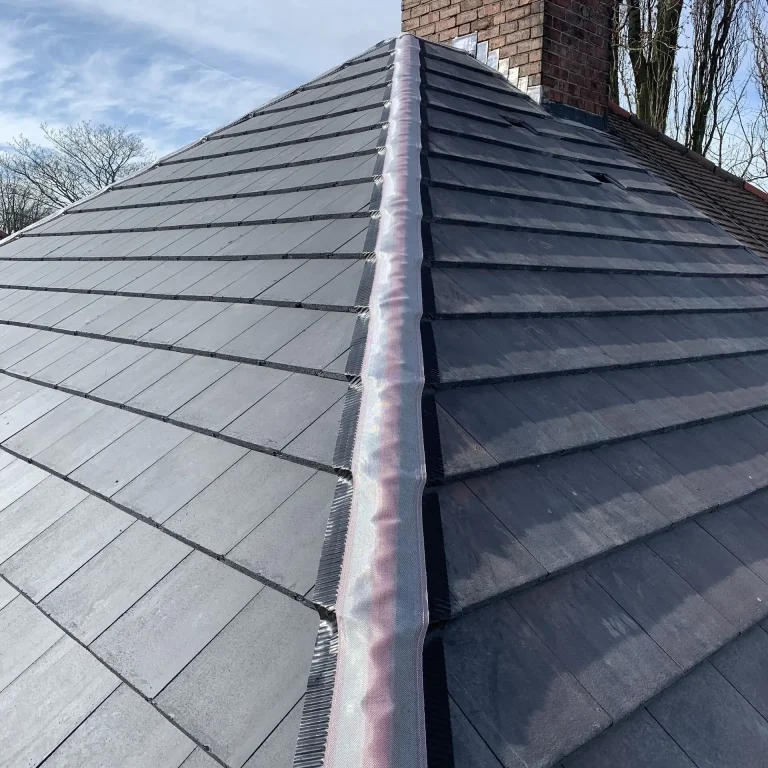
- Install or unblock roof vents: Ridge and soffit vents encourage airflow throughout the loft. Clearing bird nests or debris from existing vents can restore circulation quickly.
- Check loft insulation depth and spacing: Insulation should keep warmth in without blocking ventilation gaps. We often find damp insulation pressed against the roof felt, trapping moisture.
- Improve moisture control: Ensure kitchen and bathroom fans vent outside, not into the roof space. This alone can dramatically reduce condensation.
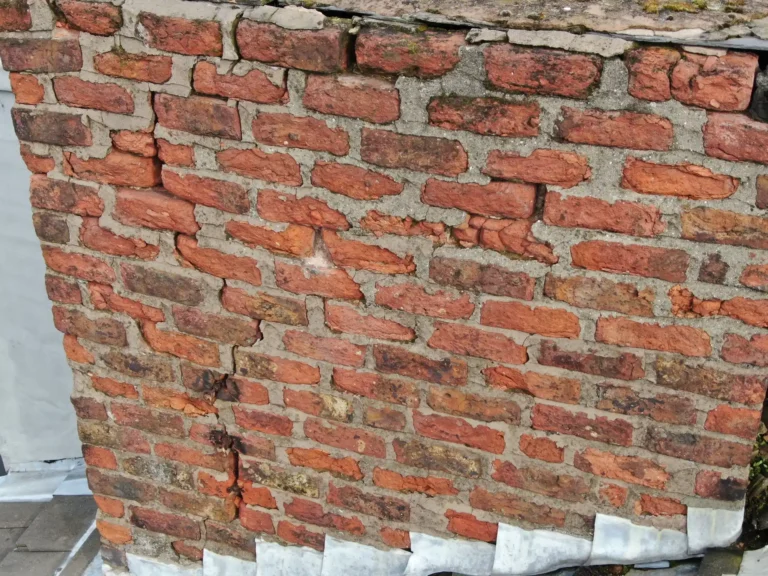
- Repair roof covering defects: Cracked tiles, damaged leadwork or worn felt allow damp to enter. A targeted roof leak repair in Liverpool prevents new moisture from feeding mould inside.
- Flat roof management: For garages and extensions, flat roof repair in Liverpool may be needed to correct ponding water or failed joints where damp thrives.
- Treat affected areas: After ventilation is restored, clean and dry existing mould using safe cleaning methods. Persistent problems may need professional mould removal or dehumidification.
At Roofer and Builder, we combine leak control with proper airflow improvements so the same issue doesn’t return every winter.
Preventive Maintenance Tips for Long-Term Protection
Simple seasonal maintenance can keep your roof healthy:
- Keep gutters and downpipes clear to prevent overflow onto walls.
- Inspect loft vents every few months for dust or blockage.
- Regularly check roof shingles and ridge pointing after storms.
- Ensure any new loft boarding or insulation leaves breathing gaps.
- Schedule an annual roof check, especially before winter.
Consistent care helps you prevent mould regrowth and maintain energy efficiency. Proper ventilation also extends the life of your insulation and roof structure.
When Professional Help Is Needed
Call in a roofer if any of the following apply:
- Water is actively coming in, or you have staining that worsens after rain.
- You can see daylight through the roof covering or feel strong draughts.
- The loft’s timbers look very damp, soft, or heavily moulded.
- You have repeated condensation despite using the extraction fans properly.
- The roof is a mix of tile and flat roof areas, and you are not sure where the moisture is entering.
A professional emergency response should be calm and methodical:
- Make-safe work: securing loose tiles or applying weatherproof covers
- Targeted repair: sealing cracks, fixing flashing or replacing damaged sections
- Follow-up inspection: confirming that ventilation and insulation are working together
We do roof fixes in Liverpool, Wirral, Lancashire, and Cheshire, as well as planned ventilation upgrades. Our main goals are quality work, cleanliness, and giving you honest help based on what your home really needs.
Keep Your Home Dry, Healthy, and Well-Ventilated
Damp and mould are frustrating but fixable when you address poor roof ventilation early. By improving airflow, maintaining insulation spacing, and repairing any leaks promptly, you protect your home from costly damage and keep living spaces healthier.
If you’ve noticed mould on ceilings or in the loft, don’t wait for it to spread. Tell us your Liverpool or Merseyside postcode and what happened, and we will tell you what to do next.