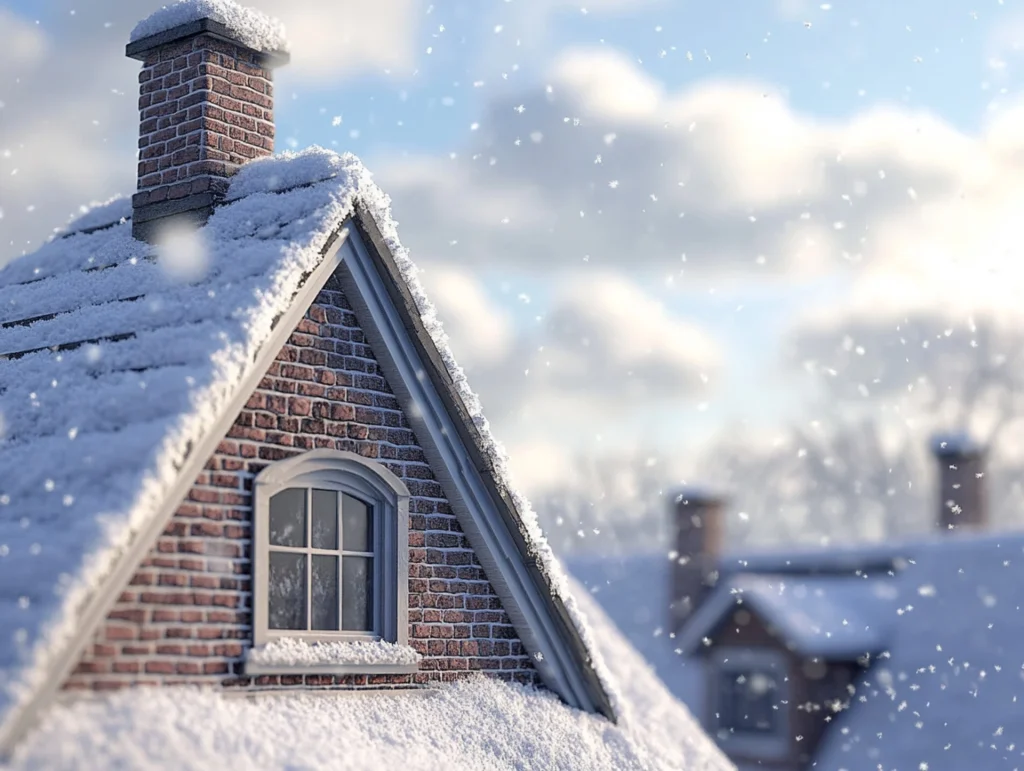
Rooftops covered in snow may be beautiful to look at, but the winter beauty can mask a multitude of issues with your home.
Roofing systems are particularly vulnerable to snow, which can cause leaks, structural problems, and other problems.
You can save yourself a lot of hassle, money, and time by learning how snow impacts your roof and then taking precautions.
Here we’ll go over what snow can do to roofs and give you some practical advice to keep your house safe this winter.
Understanding the Impact of Snow on Your Roof
The Weight of Snow and Roof Stress: Winter months can be tough on your roofing, particularly when heavy snow builds up. Roof structures are built to handle certain weight limits, but too much snow can put a strain on the framework. Over time, this added pressure might result in sagging, cracked beams, or, in serious situations, even collapse.
Ice Build-Up and Water Ingress: During freezing weather, melting snow can refreeze around roof edges, gutters and drainage outlets. This ice build-up may obstruct drainage, allowing water to collect and potentially enter through vulnerable areas of the roof, causing leaks and damp inside your home.
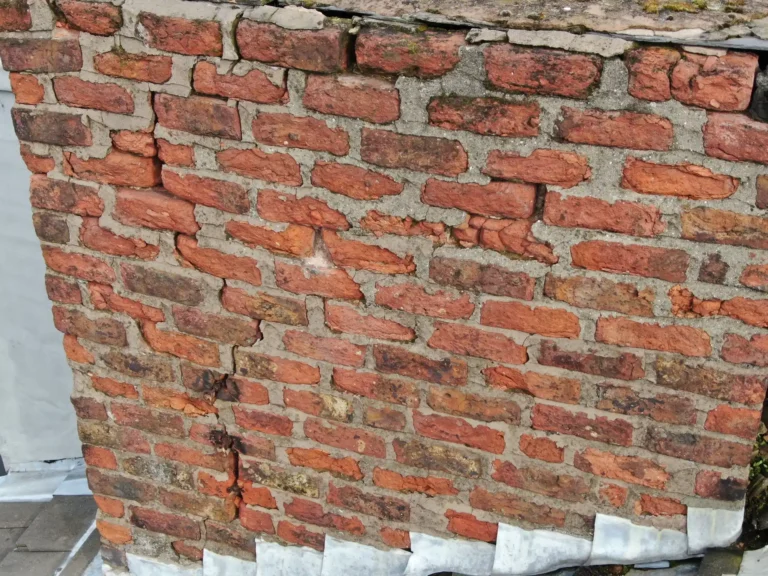
Freeze-Thaw Cycles and Roof Damage: When water enters small cracks in roof tiles, mortar or roofing materials, freezing temperatures can cause it to expand, potentially worsening existing damage and increasing the risk of leaks.
Warning Signs of Snow-Related Roof Problems
Visible Roof Leaks: Leaking water is one of the most obvious signs of damage from snow. As soon as you see water stains on the ceiling or walls, you need to take action to stop more problems.
Sagging Roof Sections: A sagging roof indicates that the weight of the snow is too much for the structure to support. Ignoring this could lead to structural failure.
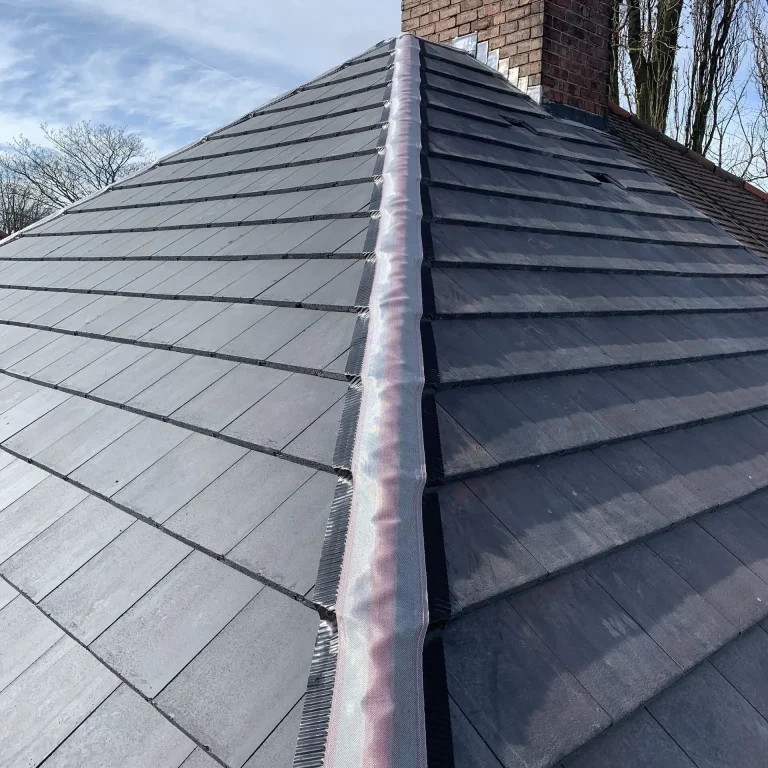
Cracked or Missing Roof Tiles: Roof tiles and slates can become cracked, loose or displaced during winter weather. Missing or damaged tiles may allow rainwater and melting snow to enter the roof, increasing the risk of leaks and damage to the underlying structure.
Ways to Protect Your Roof from Snow Damage
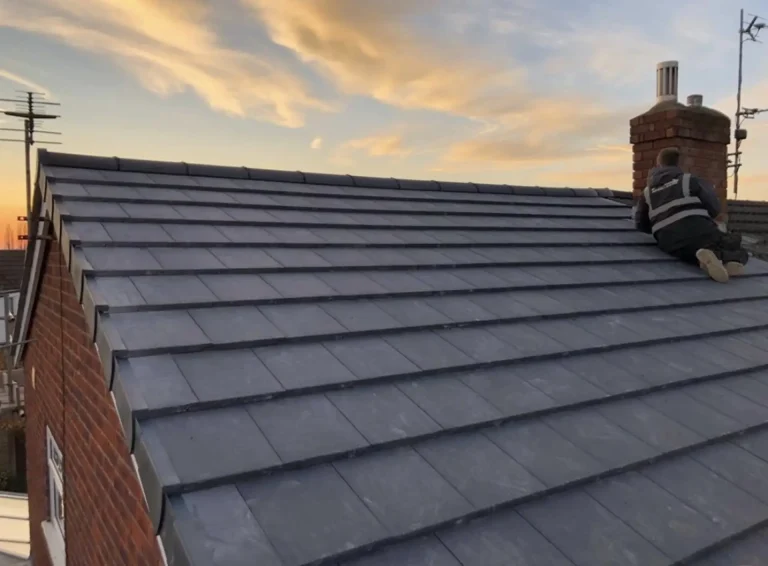
Schedule Regular Roof Inspections: Hire a professional roofer, such as a Roofer and Builder, to inspect your roof before the winter season begins. Identifying and addressing weak spots early can save you significant stress and expense later.
Clear Snow Safely: Heavy snow can put additional strain on your roof, but attempting to remove it yourself can be dangerous. If you notice excessive snow accumulation or signs of roof damage, contact a professional roofer for advice and a safe assessment
Install Proper Insulation and Ventilation: Adequate loft insulation and ventilation help reduce heat loss and prevent condensation during winter. Check that your loft is properly insulated and ventilated to minimise the risk of damp, mould and moisture-related roof damage.
Keep Gutters and Drainage Clear: Blocked gutters and downpipes can prevent melting snow and rainwater from draining away properly. Regular gutter maintenance helps reduce standing water, ice build-up and the risk of water damage during winter.
Address Minor Repairs Promptly: If your roof has small cracks or shingles that are coming off, fix them before winter. When there is freezing weather and a lot of snow, small problems can quickly get worse.
Snow Damage Prevention
Keeping your home safe and sound requires protecting your roof from snow-induced damage.
By taking care of potential problems before they happen, you can keep your roof in excellent shape and avoid expensive repairs.
Doing things before the snow comes can save you a lot of trouble, like clearing snow, fixing leaks, or putting up insulation.