The Ultimate Roof Maintenance 2026 Checklist for UK Homeowners
For many homeowners across the UK, roof care often slips down the list of household priorities. Yet, a well-maintained roof forms the first line of defence against rain, wind, snow, and seasonal damp. Regular checks reduce the risk of expensive repairs and extend the lifespan of your home’s protective covering. As 2026 arrives, it is the perfect moment to refresh your maintenance habits and ensure your property remains in prime condition.
Routine upkeep is not only about aesthetics. It plays a vital role in energy efficiency and home safety. A neglected roof can lead to insulation issues, leaks, or even structural deterioration. By creating a yearly checklist, homeowners can spot developing issues before they become emergencies.
Why Roof Maintenance Matters in the UK Climate
The UK has a lot of different weather, from heavy rain in the autumn to cold winters and sometimes hot summers. This makes roof structures constantly vulnerable to damage. Over time, tiles, flashing, and drains can become less strong due to moisture buildup, moss growth, and temperature changes.
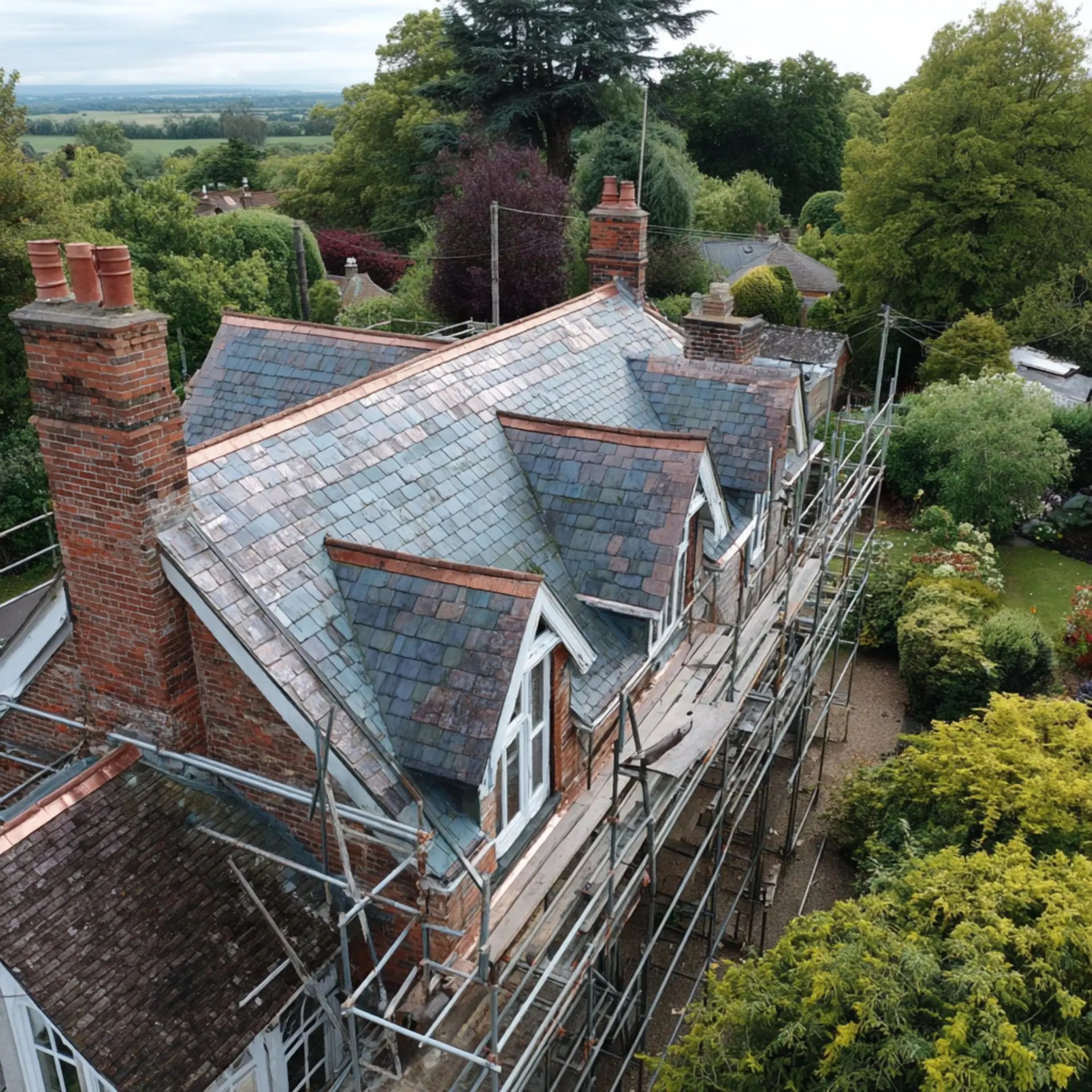
Slate, clay, or mixed tiles are common in British homes. Each type responds differently to the weather. People love slate because it lasts a long time, but concrete blocks are cheaper and heavier. Regular inspections help protect your investment, no matter what the material is.
Experts you can trust, like a Roofer and Builder, often say that the British climate requires preventative maintenance rather than waiting for damage or leaks to show up. Having it checked twice a year, preferably in the spring and fall, can save you a lot of money on repairs in the future.
Common Signs Your Roof Needs Essential Attention
Minor concerns may indicate damage. Early detection reduces major structural work. Key warning signs any UK homeowner should watch:
- Cracked or missing tiles: Individual tiles affected by frost or impact can allow water ingress. Replace them quickly to stop damage spreading.
- Water stains on ceilings: Discoloured patches inside your home often point to slow leaks or condensation beneath the roof covering.
- Blocked gutters: Fallen leaves and debris stop water from flowing correctly, leading to overflow that can damage walls and foundations.
- Moss and algae buildup: While green growth looks harmless, it retains moisture, adding weight and encouraging surface erosion.
- Sagging rooflines: This may indicate warped timber or weakening rafters, both of which require professional assessment.
When homeowners ignore these warnings, small concerns often escalate into serious water damage that compromises insulation and increases heating bills.
Step-by-Step 2026 Roof Maintenance Checklist
Keeping a structured routine simplifies roof care. Here is a detailed checklist to follow through 2026 and beyond:
- Inspect tiles and flashing: Look for cracks, chips, or loose sections around chimneys and vents where sealant can wear.
- Clean gutters and downpipes: Ensure rainfall moves freely by clearing leaves and dirt at least twice a year.
- Check attic ventilation: Good airflow prevents condensation buildup that can rot timbers and insulation.
- Look for signs of damp: Examine roof timbers and insulation after heavy rain for early moisture indications.
- Trim nearby branches: Overhanging trees cause abrasion damage, especially during windstorms.
- Confirm roof fastening security: Strong winds can shift tiles that are not properly fixed. Secure any loose elements.
- Schedule a professional survey every few years: A qualified specialist can detect issues not visible from ground level.
A lot of jobs can be done by one person, but some repairs and inspections need to be done by a professional. Hiring a reputable roofer like Roofer and Builder will make sure that the fixes meet local building and safety standards.
Eco-Friendly Roof Maintenance Practices
The UK’s roofing industry is influenced by sustainability. By employing eco-friendly cleaning products, homeowners can safeguard their roof and the environment. Rainwater diversions and energy-efficient insulation assist in maintaining households.
Homeowners are also considering reflective coatings and partly green roof systems to improve insulation and urban biodiversity. Consult a specialist before upgrading to ensure compatibility.
Benefits of Regular Roof Inspections
A consistent maintenance approach offers multiple advantages that go beyond preventing leaks. The key benefits include:
- Cost savings – Timely checks avoid large-scale repairs and insurance claims.
- Extended lifespan – A cared-for roof lasts longer, delaying full replacement.
- Improved energy efficiency – Proper insulation stops heat loss and stabilises indoor temperatures.
- Increased property value – A healthy roof adds appeal and assurance to potential buyers.
In essence, preventative care strengthens your home’s resilience and secures its market value.
When to Call in a Professional
DIY inspection is limited. Hiring a roofer for suspected damage or complex roofing materials is safer. Work at height is dangerous, and diagnosis may require special tools. Verify contractors’ insurance and accreditation.
A trained professional may assess structural health, moisture levels, and insulation efficacy and make local recommendations. Repair and inspection records are useful for warranties and sales.
Preparing for 2026 and Beyond
Roof maintenance will remain essential to UK homeownership as building standards and weather patterns change. Following an annual checklist provides financial security and peace of mind.
Every check, however slight, improves durability. Preventing future expenditures requires attention today, whether outsourcing or performing seasonal checks.
The 2026 roof maintenance plan is more than an annual task; it protects your home’s comfort, safety, and value. With regular maintenance, UK homeowners can keep their homes waterproof and energy-efficient for years.