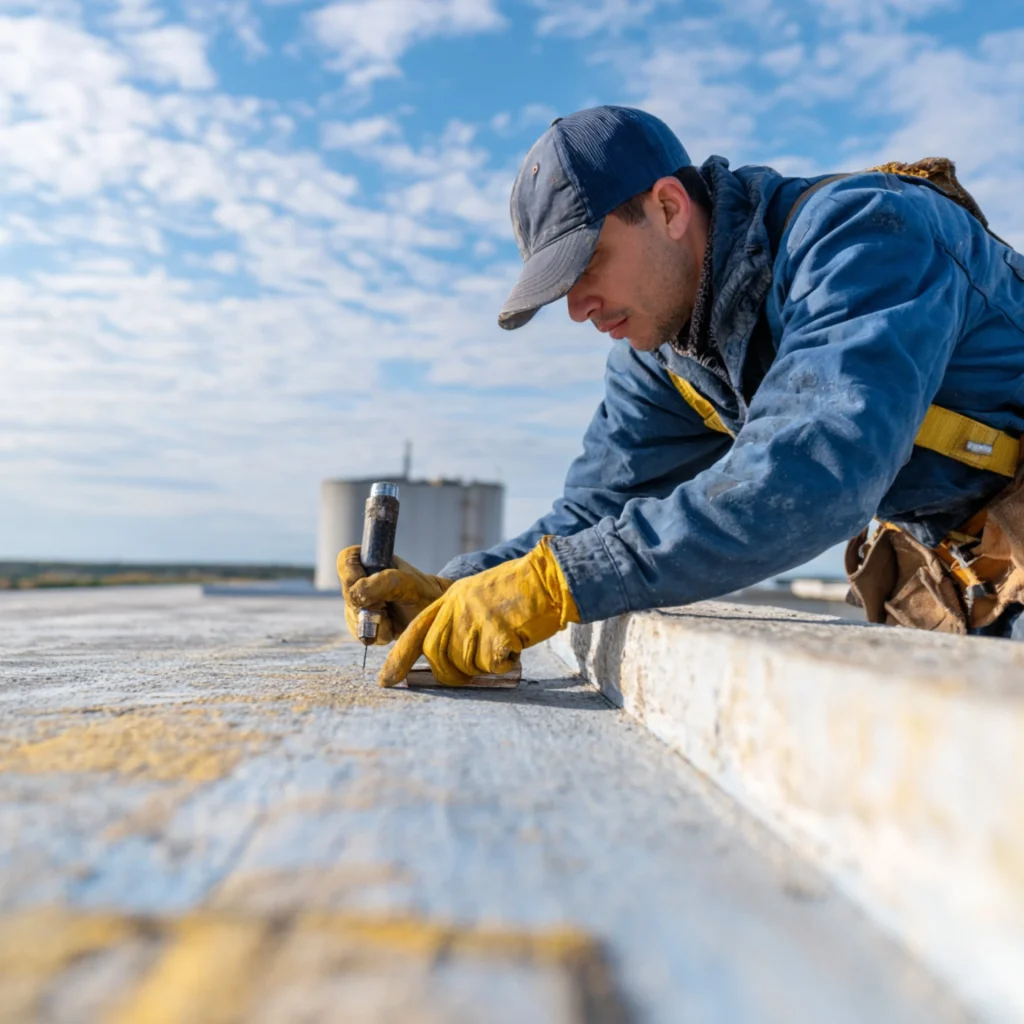
The flat roof is popular for commercial buildings in the UK due to its practicality, low maintenance, and applicability for many building types. Like any structural component, they need regular maintenance to safeguard the property and work well. This article will teach business owners and facilities managers about flat roof repair, including how to spot problems, repair procedures, and when to hire a contractor.
This advice for UK commercial buildings follows industry best practices to help you make educated decisions without needless expenses or inconveniences.
Common Issues Found in Commercial Flat Roofs
Seeing the signs that your commercial flat roof might be failing is one of the most important things you can do to keep it in good shape. Because they don’t have much of a slope, flat roofs tend to collect water, which can speed up the wear and tear.
Common indicators that your flat roof might need attention include:
- Ponding water: If water lingers on the surface for more than 48 hours after rainfall, it can seep through weak spots and compromise internal structures.
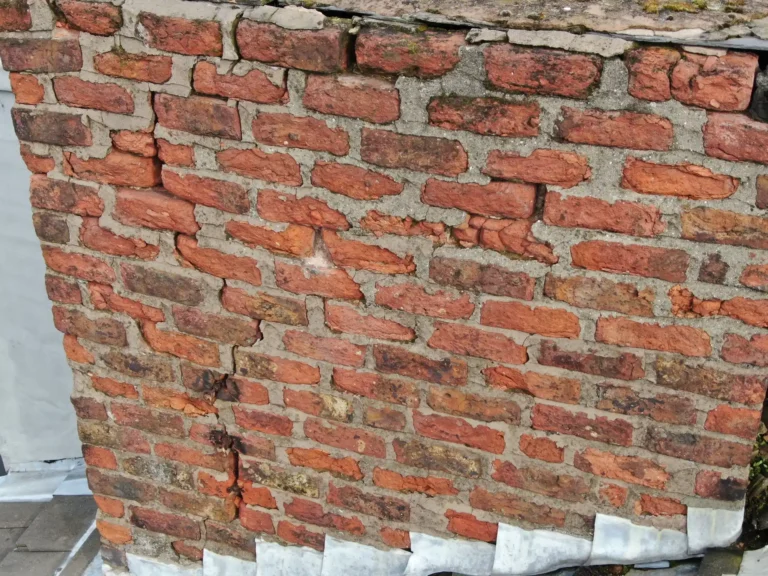
- Cracks or splits in the membrane: These typically appear as the roof ages or due to thermal movement.
- Blistering or bubbling: Air or moisture trapped beneath the membrane can cause surface deformations, which may eventually rupture.
- Sagging areas: These may suggest underlying structural issues or insufficient drainage.
- Water stains on ceilings: Internally, discolouration or damp patches could be a sign of a slow leak.
Ignoring these symptoms can lead to increased repair costs or even full replacement down the line.
How to Spot Early Signs of Roof Damage
Knowing what to look for can help you act before a minor issue escalates into major structural damage. Routine checks are essential, especially in the UK, where wet and windy weather can exacerbate roofing problems.
Look out for:
- Water stains on internal ceilings or walls
- Peeling paint or damp patches
- Unusual smells caused by trapped moisture
- Bubbles or ripples on the roof surface
- Loose flashing or joints around vents and skylights
- Pooled water that remains for more than 48 hours
Early action can keep a commercial roof from needing to be fixed up or replaced, which can be more expensive. If you think there is damage to your roof but can’t find it, you might want to have a professional use thermal imaging or drone scans to check it out.
Options for Repairing a Flat Roof
The type of repair needed depends on the extent of the damage. Minor issues can often be fixed locally, while extensive problems may require more involved work or even a full roof replacement.
Here are the typical repair options:
1. Patch Repairs: Ideal for small leaks or isolated damage, patch repairs involve cleaning the area, applying new materials, and sealing them. This is a short-term fix, but it can extend the life of the roof if carried out correctly.
2. Overlay Systems: If the existing roof is generally sound but showing signs of age, a new membrane can be laid over the top. This avoids the cost of a complete strip-off and can be done with minimal disruption to your business.
3. Partial Replacement: When certain areas are badly affected, but the rest of the roof remains in decent condition, a partial replacement can be a cost-effective solution.
4. Complete Replacement: A complete roof replacement may be the best long-term solution if the damage is significant or the roof is old. Energy efficiency and insulation upgrades are also possible.
Depending on building usage, size, and access, each approach has merits and cons. A roofing expert can advise you on the best approach.
Choosing the Right Materials for Your Roof
Not all flat roof coverings are the same. Here are a few of the most popular types found on commercial buildings:
- Felt roofing: Traditional and cost-effective, felt is layered and sealed using heat. It is quick to install but may require more frequent maintenance.
- EPDM rubber: Durable and flexible, EPDM is ideal for roofs that experience movement. It is weather-resistant and relatively easy to install.
- GRP fibreglass: Known for its strength and seamless finish, fibreglass is long-lasting and offers good protection against leaks.
- Liquid waterproofing systems: These create a seamless finish and are ideal for irregular or complex roof layouts.
When choosing materials, consider factors like expected foot traffic, the building’s location, exposure to weather, and budget.
Preventative Maintenance and Longevity Tips
Prevention is always better than a cure when it comes to flat roofing. Building managers should implement a planned maintenance schedule that includes:
- Biannual inspections: Spring and autumn are ideal times to check for damage after winter and prepare for seasonal changes.
- Drain cleaning: Ensure outlets and gutters are free from blockages and debris.
- Roof cleaning: Removing dirt, moss and plant growth helps extend the roof’s service life.
- Documentation: Keep detailed records of inspections and repairs. These can be useful for insurance claims or compliance checks.
Establishing a maintenance programme not only increases the lifespan of your roof but also improves the energy efficiency of the building by ensuring proper insulation performance.
Sustainability Considerations in Modern Flat Roofing
Commercial roof design, maintenance, and repair will increasingly focus on sustainability beyond 2025. Look for recyclable membranes, low-VOC materials, and environmentally friendly insulation.
Green roofs are more complicated yet provide insulation, water retention, and biodiversity. They are worth considering for big commercial property refurbishments, but not all.
Working with contractors like Roofer and Builder who understand traditional and modern flat roofing systems helps you balance cost, durability, and environmental responsibility.
Your Next Steps in Flat Roof Care
Whether you manage a shopping centre, office complex, warehouse or school, knowing how to assess and maintain your commercial flat roof can save thousands in repair bills.
By recognising early signs of wear, engaging qualified professionals and committing to ongoing maintenance, you can keep your building weatherproof, safe and operational year-round.
And remember, what works for one building may not suit another. Every commercial flat roof comes with a unique design and set of requirements, so always seek tailored advice from experienced contractors.
For any major concerns, never hesitate to seek an expert opinion. With the right approach, your flat roof can serve your business reliably for many years to come.