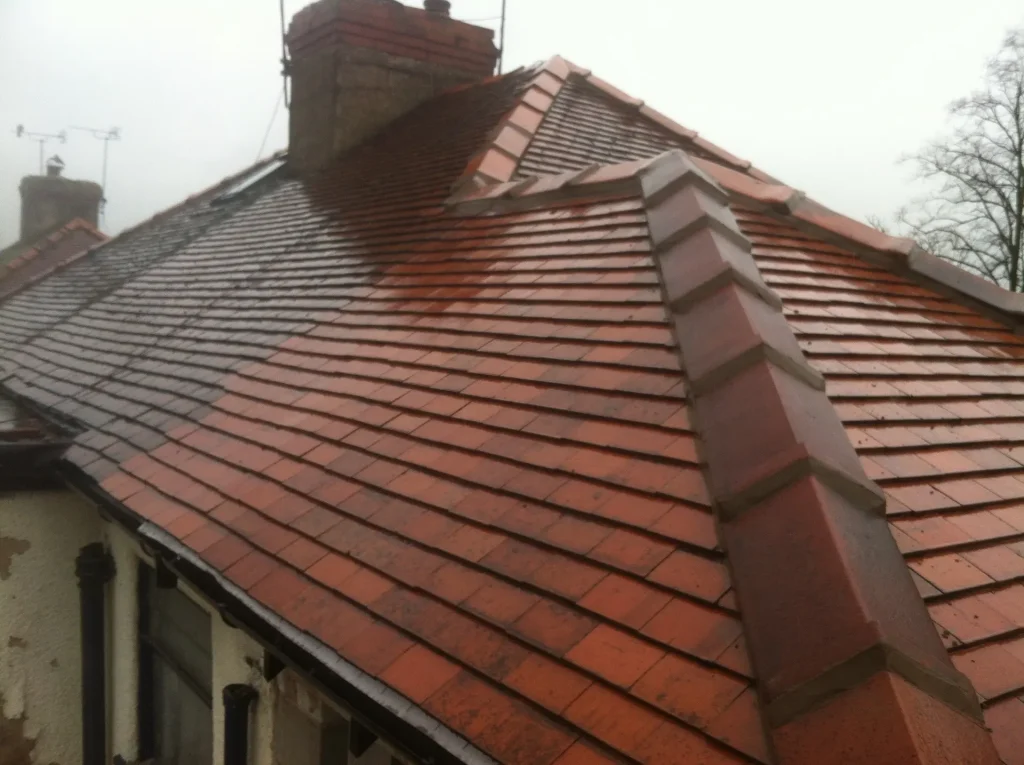
Water dripping from the fascia is often one of the first visible signs that rainwater is not draining from your roof correctly.
You may notice a steady drip behind the gutter, water running down the fascia board during heavy rain or damp marks appearing around the soffit and roofline. Although the problem can sometimes be as straightforward as a blocked gutter, it may also point to damaged roof edges, failed flashing or a defect in the roof covering.
For homeowners, landlords and businesses across Liverpool, Merseyside, Wirral, Lancashire and Cheshire, fascia leaks are a common roofing problem. Older properties, exposed rooflines, strong winds, driving rain, moss growth and poorly detailed flat roof extensions can all increase the risk.
If your roof is dripping at the fascia, this guide explains the most common causes, the warning signs to look for and how a professional roofer can identify the right repair. We also explain when an urgent leak may mean you need an emergency roofer in Liverpool to make the property safe and reduce further water damage.
What Does Water Dripping from the Fascia Mean?
The fascia board runs along the lower edge of the roof and is usually positioned directly behind the guttering.
A properly functioning roof should guide rainwater towards the gutter, roof outlet or drainage system. An obstruction or defect usually interrupts the normal flow of water, causing it to run down or drip from the fascia.
This does not automatically mean you need a new roof.
Blocked guttering, loose gutter brackets, damaged flashing or a failed roof edge can cause localised fascia leaks. However, allowing the problem to continue can expose timber, soffits, brickwork and internal areas to repeated moisture.
The location of the defect will also depend on the type of roof.
On a pitched roof, water at the fascia may be linked to slipped slates, damaged tiles, deteriorated underlay, poor gutter alignment or defective flashing.
On a flat roof, the problem may be caused by failed roof edges, blocked outlets, cracked seams or standing water near the perimeter.
Finding the source of the water is the most important part of the repair.
Common Causes of a Roof Dripping at the Fascia
There are several reasons why water may appear around the roof fascia.
- Blocked or Overflowing Gutters
Leaves, moss, silt and roofing debris can restrict the flow of rainwater through the gutter.
During heavy rain, the water level rises until the gutter overflows. Depending on the position of the gutter, this water may run directly onto the fascia board or behind the guttering.
Blocked downpipes and outlets can cause similar problems.
- Leaking Gutter Joints
Gutter joints, corners, and stop ends can deteriorate over time.
A failed seal may allow water to escape every time it rains. Because gutter joints are positioned close to the fascia, the leak can easily appear to be a roofing problem.
- Sagging or Poorly Aligned Guttering
Install guttering with the correct fall to direct water towards the downpipe.
Loose brackets or incorrect installation can cause sections of guttering to sag. Water may then collect in one area, overflow or run behind the gutter.
- Water Running Behind the Gutter
The roof covering should guide rainwater into the gutter.
If there is a gap between the roof edge and gutter, or the roof edge detail has failed, water can travel behind the gutter instead.
This is a common reason for persistent damp staining on fascia boards and soffits.
- Damaged or Missing Drip Edge Details
A drip edge helps direct water away from the roof structure and into the drainage system.
Poorly installed, damaged or missing roof edge details can allow rainwater to track beneath the roof covering before appearing at the fascia.
Roofing and Fascia Problems Linked to Water Leaks
- Failed Flat Roof Seams
Flat roofing systems rely on properly sealed joints and waterproof surfaces.
Split felt, failed seams, lifted membrane edges or damaged trims can allow water beneath the roof covering. Once water enters the system, it may travel sideways before reaching the fascia.
The visible drip is not always directly beneath the original leak.
- Standing Water on a Flat Roof
Flat roofs should be designed with a slight fall to encourage rainwater towards an outlet or gutter.
Poor drainage, blocked outlets or movement in the roof structure can cause ponding water.
When water remains close to the roof edge, even a small weakness in the waterproofing can result in a leak around the fascia.
- Rotten or Swollen Fascia Boards
Timber fascia boards can deteriorate after prolonged exposure to moisture.
Rotten timber may absorb water and allow it to spread along the roofline. In some cases, damaged fascia boards can also affect the stability and positioning of the gutter brackets.
- Damaged Leadwork or Flashing
Leadwork and flashing help prevent water from entering roof junctions, abutments and other vulnerable areas.
Cracked, lifted, or poorly installed flashing can allow rainwater into the roof structure. The water may then track towards the lowest point of the roof before appearing at the fascia.
- Slipped Slates or Damaged Roof Tiles
Strong winds and ageing roof materials can cause tiles or slates to move.
Water entering higher up the roof can travel beneath the covering or underlay before becoming visible near the gutter line.
This type of leak can be difficult to diagnose from the ground.
Why Do Flat Roofs Often Drip at the Fascia?
Despite the name, a flat roof should not be completely level.
The roof should have a suitable fall that encourages rainwater to move towards a gutter, outlet or drainage point.
If that drainage route becomes blocked or the roof has an inadequate fall, water can collect near the perimeter.
Common flat roof problems that cause fascia leaks include:
- Split or deteriorated roofing felt
- Failed membrane seams
- Lifted roof edges
- Damaged perimeter trims
- Blocked roof outlets
- Poor drainage falls
- Ponding water
- Defective flashing
- Previous repairs that have failed
Flat roof leaks can be particularly difficult to locate because water does not always travel directly downwards.
Moisture can move between layers of the roof covering before reaching a weak point or roof edge. The drip you see at the fascia could be several feet away from the original point of water entry.
This is why applying sealant to the first visible gap is not always an effective roof repair.
The complete water path needs to be identified.
Why Fascia Leaks Are Common on Older Properties
Liverpool and the surrounding areas feature many older homes, including Victorian terraces, traditional slate roofs and properties extended or converted over time.
Later additions such as flat roof extensions, dormers, garage roofs and loft conversions can introduce additional roof junctions and drainage points.
These areas may be more vulnerable if:
- The original roof has aged
- Different roofing materials meet
- Previous repairs have deteriorated
- Guttering has been altered
- Moss is restricting drainage
- Roof edges are highly exposed to wind and rain
Coastal and exposed locations can also experience strong winds and driving rain, which may reveal weaknesses that are less noticeable during normal weather.
Following severe weather, a previously minor defect can quickly turn into active water ingress. Where water is entering the property or roof materials have become loose or unsafe, contacting an emergency roofer in Liverpool may help reduce the risk of further damage.
How to Check a Fascia Leak Safely
You should only inspect the roof from a safe location at ground level.
Do not climb onto a roof or use a ladder during rain, high winds or storm conditions.
From the ground, look for:
- Water dripping from behind the gutter
- Gutters overflowing during rainfall
- Damp staining on fascia boards
- Water running down soffits
- Visible gaps between the gutter and roof edge
- Sagging gutter sections
- Moss around gutters or outlets
- Cracked or lifted flat roof edges
- Missing roof tiles
- Slipped slates
- Damaged flashing
- Staining on brickwork or render
It can also be helpful to take photographs or a short video while the problem is happening.
Make a note of whether the leak occurs during light rain or only during prolonged or heavy rainfall.
You should also check whether the gutter is overflowing at the same time.
This information can help a roofer understand the likely cause before completing a closer roof inspection.
Why You Should Not Ignore Water Dripping from the Fascia
A small drip can appear harmless, particularly if there is no visible leak inside the property.
However, repeated water exposure can gradually damage roofline materials and the surrounding building.
Potential problems include:
- Rotten timber fascia boards
- Damaged soffits
- Damp patches on walls or ceilings
- Water entering a loft space
- Deterioration of flat roof coverings
- Staining to brickwork and render
- Damage around roof extensions
- Increased repair costs if the defect spreads
Water close to electrical fittings should always be treated seriously.
Loose guttering, displaced roofing materials or damage following a storm may also require urgent attention.
If rainwater is actively entering your home or business premises, searching for an emergency roofer Liverpool property owners can call for urgent assistance, which may be more appropriate than waiting for the next available routine inspection.
What Is the Right Fix for a Roof Dripping at the Fascia?
The correct roof repair depends entirely on the cause of the leak.
A professional inspection should establish how water is reaching the fascia before repair work is recommended.
Clear Blocked Gutters and Outlets:
- Where moss, leaves or debris are restricting drainage, cleaning the guttering or roof outlet may restore normal water flow.
- The downpipe should also be checked for blockages.
Repair or Realign Guttering:
- Sagging gutters may need new brackets or repositioning to create the correct fall.
- Leaking joints, damaged corners and failed stop ends may need replacement or resealing.
Improve the Roof Edge Detail:
- Where water is running behind the gutter, the roof edge may need to be repaired or improved.
- This can include installing or replacing suitable drip edge detailing so rainwater is directed correctly.
Repair Flat Roof Seams and Edges:
- Split seams, lifted edges and localised flat roof defects may be repairable if the surrounding roof covering remains in serviceable condition.
- The repair method should be suitable for the existing roofing system.
Improve Flat Roof Drainage:
- Persistent ponding water may require closer investigation.
- Blocked outlets can often be cleared, but more significant drainage problems may involve poor roof falls or unsuitable outlet positions.
Replace Damaged Fascia Boards:
- Rotten fascia should not simply be covered over.
- Damaged sections may need to be removed and replaced, particularly if gutter brackets can no longer be secured properly.
Repair Tiles, Slates or Flashing:
- Slipped slates, cracked tiles, and defective flashing should be repaired at the source.
- Where water has travelled beneath the roof covering, additional investigation may be needed to check the condition of the underlay and surrounding roof structure.
At Roofer and Builder, we identify the source of water ingress and recommend the right solution, from minor repairs and drainage improvements to flat roof restoration or replacement.
Emergency Roofer Liverpool: When Is a Roof Leak Urgent?
Not every fascia drip is an emergency. However, some roofing problems need faster attention to protect the property and the people inside it.
You may need an emergency roofer in Liverpool if:
- Water is actively entering the property
- A ceiling is bulging or holding water
- Roof tiles or slates have become loose after strong winds
- Guttering or roofline materials are hanging dangerously
- A flat roof has suddenly developed significant water ingress
- Storm damage has exposed part of the roof
- Water is leaking close to electrical fittings
- A commercial property, rental property or occupied building is at immediate risk
The initial priority during an emergency roof repair is often to reduce the immediate danger and limit further water entry.
A roofer may complete emergency make-safe work before carrying out a permanent roofing repair.
Temporary Roof Repairs vs Permanent Repairs
During severe weather or active water ingress, an emergency roofing repair may be necessary to reduce immediate damage.
Temporary work could involve:
- Making a damaged area safe
- Protecting an exposed roof section
- Clearing a blocked outlet
- Reducing active water entry
- Securing loose roofline materials where appropriate
These measures can help protect the property until a permanent repair can be carried out.
However, a temporary roof repair should not automatically be considered a long-term solution.
A permanent repair should involve:
- Inspecting the affected roof area
- Identifying the route of water entry
- Repairing the underlying defect
- Using materials suitable for the roof type
- Correctly sealing roof edges and junctions
- Addressing drainage problems where required
The aim should always be to stop the reason for the leak, not simply hide the point where the water becomes visible.
A reliable emergency roofer in Liverpool should also be clear about whether the work is a temporary make-safe repair or a permanent solution.
When Should You Call a Roofer?
You should consider arranging a professional roof inspection if:
Water is entering your home or commercial property
- The fascia drips every time it rains
- Your gutter continues to overflow after cleaning
- A flat roof has visible cracks, bubbles or standing water
- Tiles or slates have moved following strong winds
- Leadwork or flashing appears damaged
- Timber around the roofline looks rotten
- Guttering has become loose or unsafe
- The problem affects a rental property or shared building
- You need emergency roof repairs following storm damage
Active water ingress, loose roofing materials and water close to electricity may require urgent attention.
For severe leaks or storm damage, contact an emergency roofer in Liverpool to assess the roof, complete make-safe work and recommend permanent repairs.
How to Prevent Future Fascia Leaks
Regular roof and gutter maintenance can help identify smaller defects before they develop into larger leaks.
Useful preventative steps include:
- Keep gutters and downpipes clear
- Check roof drainage after autumn and severe storms
- Monitor flat roofs for standing water
- Keep roof outlets clear
- Check for loose tiles or slipped slates
- Look for cracks around flat roof edges
- Inspect leadwork and flashing
- Address small roofing defects promptly
- Arrange periodic roof inspections as the roof ages
Landlords and business owners may also benefit from planned roof inspections.
Scheduled maintenance can help reduce unexpected disruption, protect tenants or commercial premises and provide a clearer record of the property’s condition.
Frequently Asked Questions
Why is water dripping behind my gutter?
Water dripping behind a gutter can be caused by Poor gutter positioning, damaged underlay, or missing drip edges, which can direct water behind the gutter instead of into it.
Can a blocked gutter cause water to leak through the roof?
Yes. Severe gutter blockages can cause overflow, soaking fascia boards, soffits and roof edges and allowing water into vulnerable areas.
Does a leaking fascia mean I need a new roof?
Not necessarily. Localised fascia leaks often need minor repairs. Replacement is considered only when damage is widespread or extensive.
Why does my fascia only drip during heavy rain?
Leaks during heavy rain often result from overflowing gutters, restricted drainage or roof defects exposed by increased rainfall.
Can you repair a leaking flat roof without replacing it?
Leaks that only appear during heavy rain can be linked to overflowing gutters, restricted drainage or roof defects that only allow water to enter when larger volumes of rain are present.
When should I call an emergency roofer in Liverpool?
You should seek urgent roofing help if water is actively entering the property, storm damage has left the roof exposed, tiles or roofline materials are loose, or the leak is close to electrical fittings. An emergency roofer can assess the damage, complete immediate make-safe work and arrange a permanent repair.
At Roofer and Builder, we assess roof leaks and roofline problems across Liverpool, Merseyside, Wirral, Lancashire and Cheshire. Photograph any fascia leaks from ground level and note when they occur. For active leaks, storm damage or unsafe roofing, arrange urgent repairs to prevent further water ingress and protect the property.