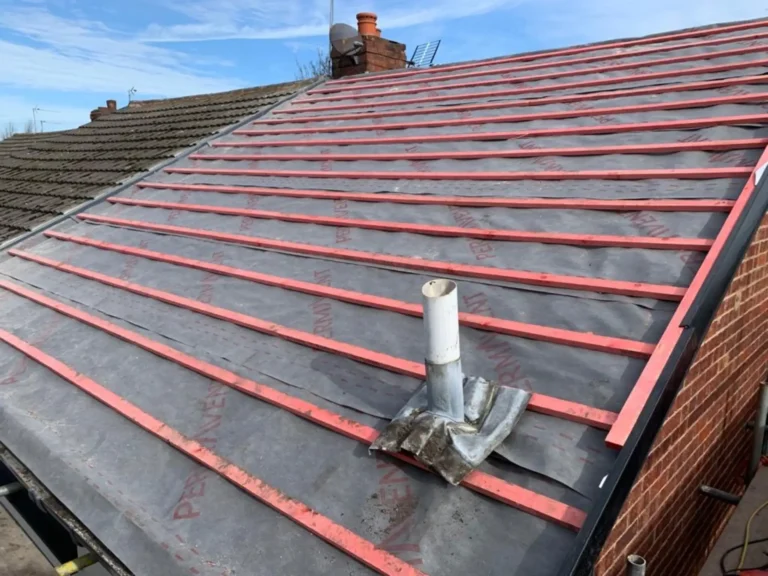
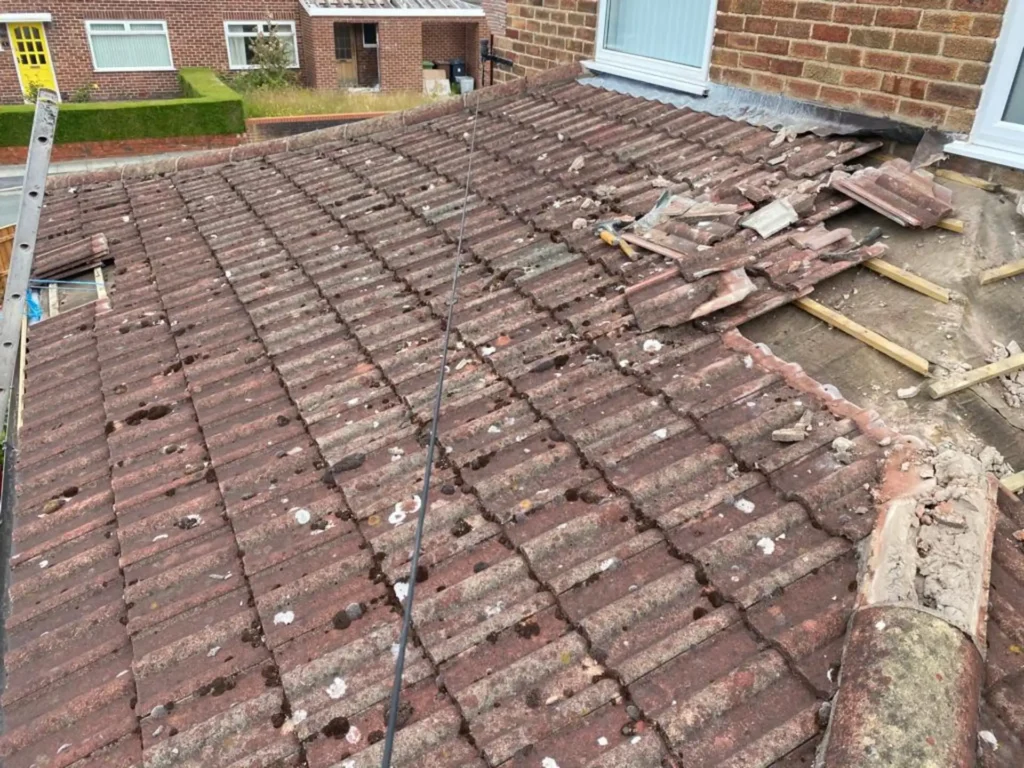
Does home insurance cover roof repairs? Usually, it covers damage caused by a sudden, insured event such as a storm. It doesn’t cover a roof that has simply worn out, and most refused roof claims come down to the difference between the two.
That difference isn’t always obvious from the ground. A storm can blow off slates that were already loose, and a leak that appears during heavy rain may have been building for years.
We carry out storm damage roof repairs across Liverpool and Merseyside, and this guide explains how insurers and the Financial Ombudsman Service judge a roof claim, why so many are turned down, and what evidence helps.
The short answer
- Usually covered: sudden damage from an insured event, such as slates blown off in a gale, a ridge lifted by wind or a branch coming through the roof.
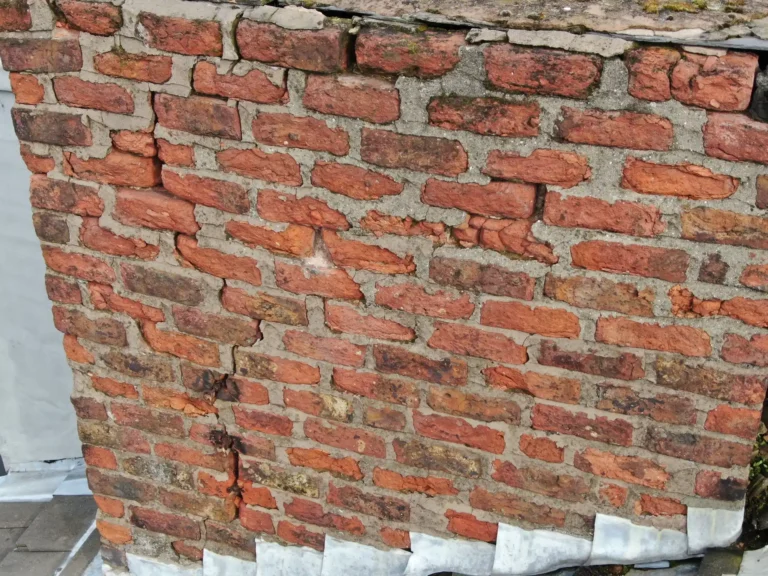
- Usually not covered: wear and tear and gradual damage, such as crumbling mortar, rusted nails, perished felt or a flat roof at the end of its life.
- The test: was there a storm, does the damage look like storm damage, and was the storm the main cause?
When Does Home Insurance Cover Roof Repairs?
The roof is part of the building, so it falls under your buildings insurance, not your contents cover. If you live in a flat or a leasehold house, the freeholder’s buildings policy may be the one that applies.
Most buildings policies cover damage caused by named events, which insurers call insured perils. Storm is the one that matters most for roofs. A policy may also cover a falling tree, or accidental damage if you’ve added that cover.
What almost every policy leaves out is damage that builds up over time. Look in your policy wording for exclusions headed “wear and tear“, “gradual deterioration” or “lack of maintenance“. Roofs age in exactly those ways, which is why they produce so many disputed claims.
What Counts as a Storm?
It depends on your policy, because insurers define a storm differently. Ageas, for example, counts winds of over 55mph, or extreme rain, snow or hail, with rain treated as extreme when more than 25mm falls in an hour. Other insurers use other figures, and some give none at all, so check your own policy wording.
The ombudsman takes a broader view. It describes a storm as usually involving violent winds, usually with rain, hail or snow, and accepts that very heavy rain, hail or snow on its own can count. When a claim is disputed, it checks official weather records from stations near the property, and it may look at more than one.
A gusty day isn’t automatically a storm. Note the date and time you noticed the damage, and keep any weather warnings or news reports from that day. If the Met Office named the storm, that helps, but damage from an unnamed storm can still be covered.
The Three Questions Behind a Storm Claim
When a storm claim has been refused, and the customer complains, the ombudsman asks three questions. All three need a yes for the complaint to succeed:
- Was there a storm on or around the date the damage happened? This is settled by weather records.
- Is the damage consistent with what storms usually cause? Missing slates or a ridge torn off after a gale fit the pattern. Damp that has been spreading across a ceiling for months doesn’t.
- Was the storm the main cause, or would the damage probably have happened anyway? This is where most roof claims fail.
The third question is the hard one for older roofs. The ombudsman says it is unlikely to uphold a complaint where the roof was already in poor condition, and the owner knew, or where the storm only highlighted an existing problem.
A ridge whose mortar had crumbled away, or slates hanging on rusted nails, may come off in the first strong wind, but the storm didn’t really cause it.
Poor condition doesn’t settle the matter on its own, though. The ombudsman also says a roof in poor condition can still be damaged by a storm.
If an insurer relies on an exclusion such as wear and tear, it is for the insurer to show the exclusion applies, for example with an inspection report.
Storm Damage or Wear and Tear: How to tell the Difference
A roofer can usually tell sudden damage from slow decline by looking at the breaks, the fixings and the rest of the roof. An insurer’s surveyor will look at the same evidence.
| Usually storm damage | Usually wear and tear |
| Several slates or tiles missing from the exposed slope after a gale | Slates slipping one at a time over months as the nails rust through (nail sickness) |
| Clean, fresh breaks on slates or tiles | Weathered breaks, lichen on the broken edges, old repairs |
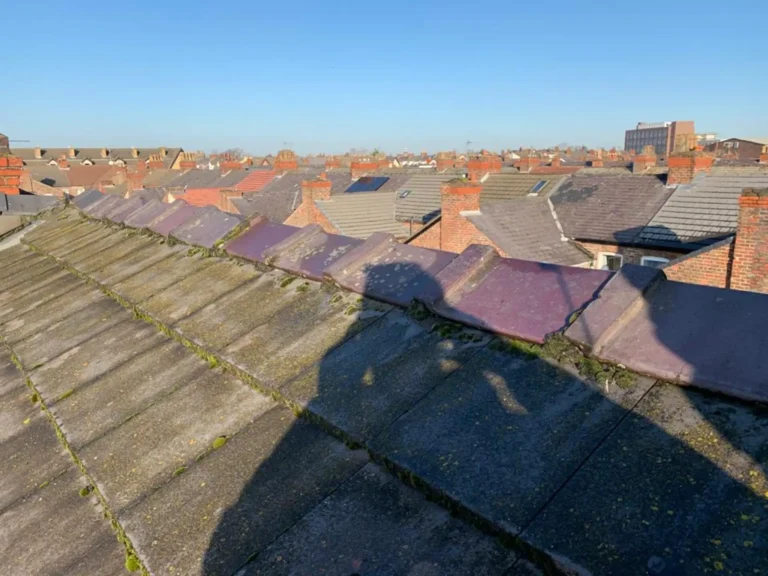
| A ridge or hip tile lifted off in one piece, with sound bedding | Ridge or verge mortar cracked and crumbling along the whole run |
| Lead flashing peeled back by the wind | Flashing split with age, or held on with sealant |
| Damage from a falling branch or chimney pot | A leak that started as a small stain and slowly spread |
Many roofs show both. If you’d like to know why tiles slip in the first place, our post on why roof tiles slip or crack goes into more detail.
Why Roof Claims Get Refused
Most refused roof claims fail because the insurer decides wear and tear, not the weather, caused the damage. The common reasons are:
- Wear and tear or gradual damage: The policy excludes it, and the insurer’s surveyor finds it.
- No storm on the date: The weather records for the area don’t show storm conditions.
- The storm highlighted an old problem: The weather exposed damage that was already there.
- Known defects left unrepaired: The roof was in poor condition, and the owner knew.
- Late reporting: Damage reported weeks later is harder to link to a particular storm, and more water may have got in meanwhile.
None of these is automatic. A refusal can be challenged if the evidence points the other way.
What to do Straight After Storm Damage
Make the roof safe, record everything and tell your insurer early. In order:
Stay safe: Don’t climb onto the roof, and keep away from a damaged chimney.
Limit the damage inside: Move belongings, catch drips, and, if water is near electrics, switch off that circuit if it’s safe to do so.
Photograph everything: Take wide shots and close-ups from the ground, and photograph the damage inside. Our storm-proofing checklist lists what to record.
Tell your insurer: Check whether the policy asks you to use a particular contractor or to get approval before permanent repairs start.
Arrange a make-safe: Most policies expect you to take reasonable steps to stop further damage. Hold on to the receipts.
Keep the broken pieces: Fallen slates, tiles and flashing can help show what happened.
If water is coming in now, our emergency roofing line is open 24 hours a day. Our guide on what to do if your roof tiles are damaged by storms covers the first few hours in more detail.
What a Roofer’s Report Should Include
A useful report says what is damaged, what probably caused it and what condition the rest of the roof is in, backed by dated photographs. It should include:
- the address and the date of the inspection
- dated photos, both close-ups and wider shots that show where the damage is on the roof
- the location of the damage, such as the rear slope, the ridge or the chimney flashing
- the likely cause, described in plain words
- the condition of the rest of the roof
- any make-safe work already done
- the recommended permanent repair, with the storm-related work priced separately from any other work the roof needs
That last point matters. If the quote mixes storm repairs with general maintenance, the insurer has to untangle it, and the whole claim can stall.
A good roofer describes what they find, even when it’s not what you hoped to hear. If the roof shows wear as well as storm damage, the report should say so, and no roofer can promise that a claim will be paid.
After a roof inspection, we can give you a written report with photographs and a quote for the permanent work to pass to your insurer. The claim itself stays between you and your insurer.
If Your Claim is Turned Down
Ask for the reason in writing, then complain to the insurer, and take it to the ombudsman if you still disagree.
- Ask which policy term the insurer relied on, and for a copy of the surveyor’s or loss adjuster’s findings.
- Gather your own evidence: a roofer’s report, your photos and the weather records for the date.
- Make a formal complaint to the insurer. It has eight weeks to send a final response.
- Go to the Financial Ombudsman Service if you disagree with the final response, or if eight weeks pass without one. It’s free, and you normally have six months from the final response to bring the complaint. The Ombudsman’s page on storm damage complaints explains how it decides them.
This guide explains how roof claims are usually judged. It isn’t legal or insurance advice, and your own policy wording decides what’s covered, so speak to your insurer or broker about your policy.
Roof Insurance FAQs
Will home insurance pay for a new roof?
Rarely because of age or wear. If a storm damaged part of the roof, the policy may pay to repair that damage, but it won’t normally pay to replace a roof just because it’s old.
Is a roof leak covered by insurance?
It depends on the cause. If a storm damaged the roof and rain got in, the roof repair and the water damage inside are often dealt with together. If the leak came from wear and tear, the roof repair usually isn’t covered, and coverage for the damage inside depends on your policy wording. Our roof leak repair page explains how we trace a leak to its source.
Do I need a roofer’s report for an insurance claim?
Not always. Insurers often send their own surveyor or loss adjuster, but a clear report with dated photos from the roofer who made the roof safe helps them judge the cause.
Can I get emergency repairs done before the insurer visits?
Usually, yes, to stop more damage. Tell the insurer, photograph everything first, and keep the receipts and any damaged materials. Check the policy before the permanent repair goes ahead.
Storm Damage to Your Roof?
We make roofs safe across Liverpool and Merseyside, then give you a written report with photographs and a quote for your insurer. Find out more about our storm damage roof repairs, call 0151 739 0669 or request a free quote.